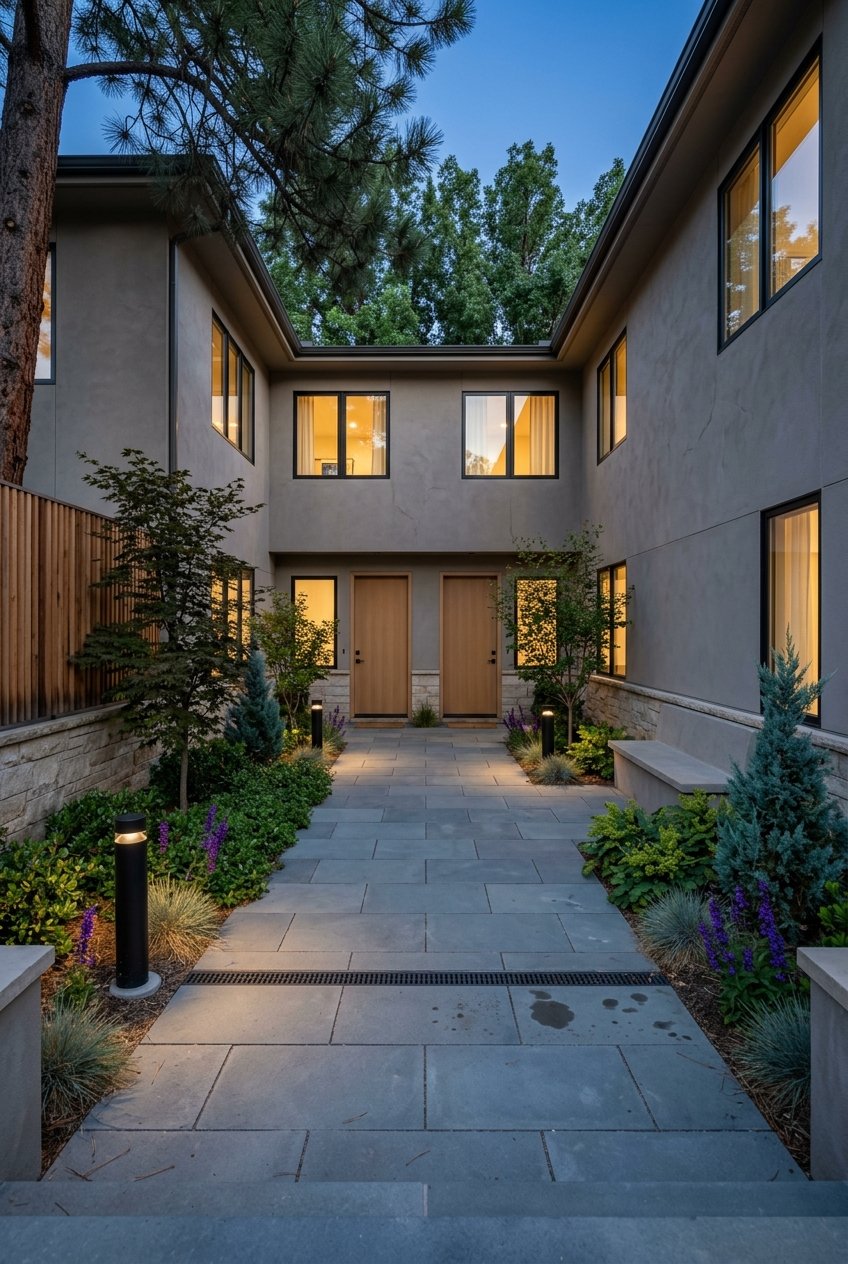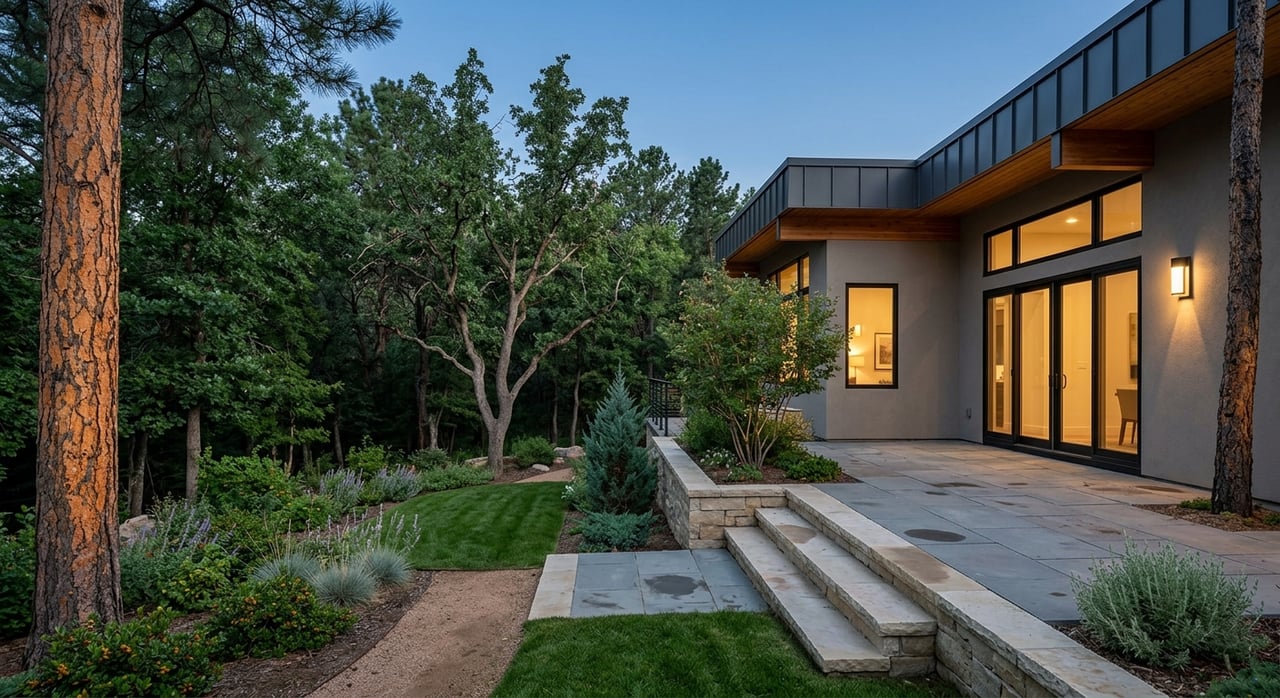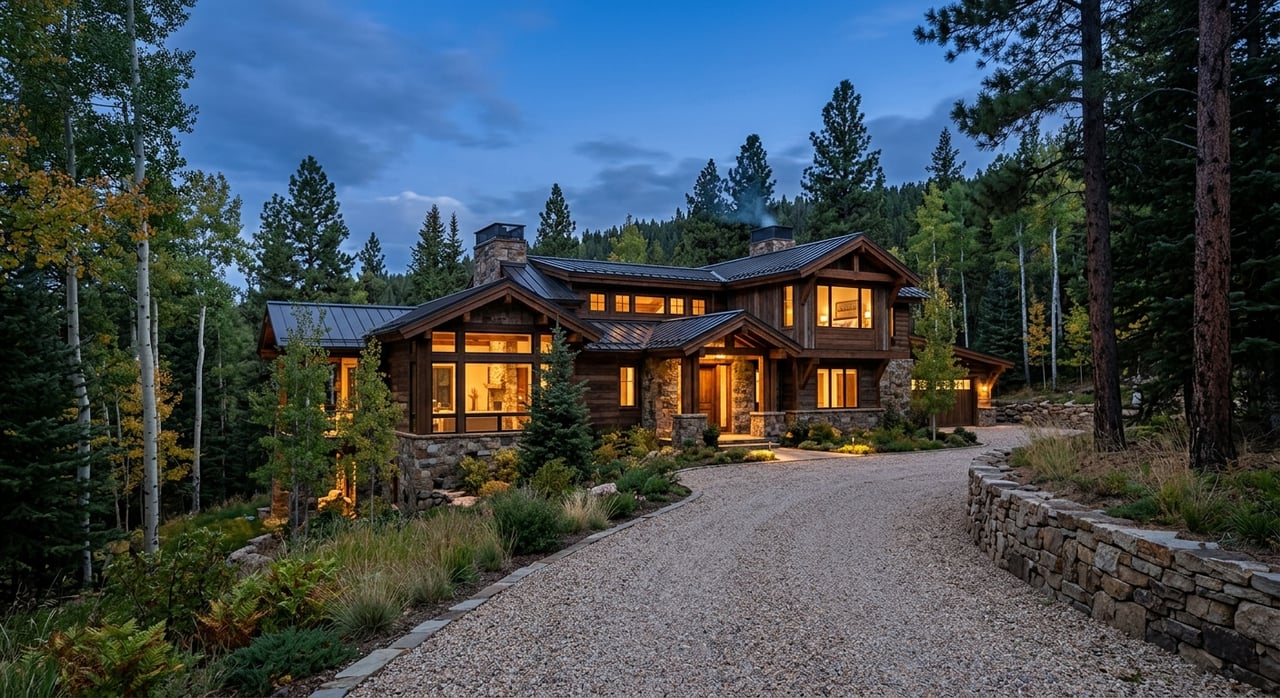
If you have been eyeing a mountain getaway near Boulder, you are probably asking two questions at once: Will I love using it? and Will it make financial sense? That is exactly the right mindset. In Boulder County’s mountain communities, second-home value depends on far more than the purchase price, and the smartest buyers look closely at rental rules, carrying costs, and day-to-day ownership realities before they commit. Let’s dive in.
Boulder Mountain Homes Are Not One Market
When people talk about “Boulder mountain homes,” they often lump very different communities into one category. Boulder County describes its mountain and foothills areas as a mix of gateway communities like Lyons and Nederland, canyon communities like Jamestown and Ward, and historic mountain communities like Gold Hill and Eldora.
That matters because price, inventory, and rental rules can vary quite a bit from one place to another. If you are thinking about a second home, the right question is not whether mountain property is smart in general. It is whether a specific town, parcel, and use case fit your goals.
Price Trends Vary by Community
Public market data shows that mountain homes are not uniformly cheap alternatives to Boulder. In Boulder, the average home value is about $972,493, with a median sale price of $890,833. In nearby mountain markets, pricing still sits at meaningful levels.
Nederland shows an average home value of $673,006 and a median list price of $740,000. Lyons has an average home value of $763,606 and a median sale price of $899,000. Jamestown comes in lower at an average home value of $552,221 and a median sale price of $625,000, while Ward has a reported median sale price of $512,000.
The takeaway is simple: some mountain communities offer a lower entry point than Boulder, but not all by a wide margin. In places like Lyons, pricing can look surprisingly close to Boulder depending on the property and timing.
Rental Math Looks Better on Paper
If you are hoping to offset ownership costs, the rough rent-to-value screen is worth reviewing. Using Zillow’s average rent and home value data, Boulder comes in around 3.0%, Lyons around 4.1%, Nederland around 4.8%, and Jamestown around 4.7%.
At first glance, that can make mountain homes look more attractive than Boulder proper for rental income. But this is only a high-level filter. It does not account for taxes, insurance, vacancy, financing, maintenance, or local licensing requirements.
That is why second-home buyers should be careful not to confuse gross potential with actual return. A mountain home may produce useful income, but the numbers often look stronger in a spreadsheet than they do after real carrying costs are added.
Long-Term Rental Supply Appears Limited
Boulder County’s mountain-community rental listings suggest that long-term rental inventory is limited rather than abundant. The county’s current list shows Nederland two-bedroom rentals around $1,945 to $2,800, and Allenspark one- to two-bedroom rentals around $1,400 to $1,800.
The county also notes that the list is updated weekly and is not guaranteed to be complete. Even with that caveat, the public data supports the idea that these markets do not offer deep, friction-free rental supply.
For you as a buyer, limited supply can cut both ways. It may support long-term demand, but it can also mean a smaller and less liquid market when you want to buy, lease, or eventually sell.
Short-Term Rental Rules Can Change the Investment Case
For many second-home buyers, this is the section that matters most. In Boulder County, rental rules can shape the investment case just as much as price.
Boulder Has Tight STR Limits
In the City of Boulder, short-term rentals are tightly restricted. The property must be your principal residence, rentals are limited to 29 days or fewer at a time, and you need a valid license before advertising.
The city also requires proof of principal residence, at least 50% ownership, and two local contacts within 60 minutes. The program excludes LLC or corporation ownership for short-term rental qualification, and the listed fees include $215 for a new application, $190 for renewal, and a $25 business license fee.
If you want a non-owner-occupied second home with flexible short-term rental use, Boulder itself is usually not the easiest fit.
County Rules Depend on Property Type and Location
In unincorporated Boulder County, a license is required for any short-term or vacation rental. The county separates these into primary-dwelling short-term rentals, secondary-dwelling short-term rentals, and vacation rentals.
There are no licensing caps for short-term rental licenses, but vacation rentals are capped by geography. The county lists caps of 194 in Upper St. Vrain CCD, 83 in Bald Mountain CCD, and none in the Plains CCD.
The county also reviews zoning, parking, access, septic, building safety, occupancy, and wildfire safety. Licenses are issued for two years, insurance must stay active for the full term, and listed fees are $200 initial and $175 renewal for short-term rentals, plus $300 initial and $275 renewal for vacation rentals.
Town Rules Add Another Layer
Some mountain towns have their own regulations beyond county oversight. Lyons requires a town short-term rental license, monthly lodging occupation tax reporting, and generally requires the home to be the owner’s principal residence occupied at least nine months per year. Lyons also applies a 5% lodging occupation tax on stays under 30 days.
Jamestown requires the licensee to be a Jamestown resident, limits a Jamestown address to no more than two STR licenses, and charges a $75 annual renewal fee. Nederland also has its own short-term rental licensing program designed to preserve residential character and support long-term housing stock.
This means you cannot assume one mountain community works like the next. Before you buy, you need to understand the exact rules tied to that address and your intended use.
Carrying Costs Matter More in the Mountains
A second-home purchase is not only about getting in. It is also about what it takes to hold the property comfortably over time.
Property Taxes Vary by Taxing District
Boulder County notes that residential tax is not calculated as a simple flat percentage of the purchase price. Actual bills depend on the mix of taxing districts that serve the property, including local government and school district assessment rates.
The county’s FY2026 levy is 24.046 mills, but mountain properties can still vary materially depending on fire, water, school, and other district overlays. Two homes with similar prices may not carry the same tax burden.
Wildfire Can Affect Insurance and Ownership Costs
Wildfire is a real factor throughout Boulder County. The county states that all of Boulder County faces wildland-fire risk and maintains a countywide Community Wildfire Protection Plan, with mitigation support in west Boulder County’s mountain and forest areas.
Colorado’s Division of Insurance adds that wildfire risk can affect both insurance pricing and availability. Some insurers may require on-site inspections and mitigation work to keep a property insurable.
For second-home buyers, that can directly affect monthly and annual ownership costs. It can also influence how easy the home is to manage if you are not living nearby full time.
Mountain Ownership Often Requires More Oversight
The county’s rental licensing review gives an important clue about day-to-day ownership. When officials review septic, access, parking, and building safety, it highlights how mountain properties often come with more operational complexity than an in-town home.
That does not make them a bad investment. It simply means they are usually less plug-and-play, especially if you hope to rent the home part time or manage it from a distance.
When a Boulder Mountain Home Makes Sense
Based on the public data, Boulder mountain homes tend to make the most sense as a lifestyle-first second home. That means you are buying for personal enjoyment, mountain access, and long-term ownership potential, with rental income serving as a helpful offset rather than the main reason to buy.
This can be a smart move if you value:
- Regular personal use
- Proximity to trails, recreation, and mountain scenery
- A smaller-market property with limited supply
- Optional income rather than all-in rental dependence
- Long-term scarcity more than short-term cash flow
In that scenario, the investment case is about balancing personal value with financial discipline. You are not just buying a spreadsheet. You are buying a place you plan to use and enjoy.
When You Should Be More Cautious
A mountain second home may be less compelling if you need straightforward short-term rental economics or lower-friction ownership. Public data suggests caution if your plan depends on unrestricted STR use, highly predictable carrying costs, or easy remote management.
You may want to slow down if your goals include:
- Heavy dependence on short-term rental income
- Minimal insurance or wildfire-related risk
- Simple tax and utility assumptions
- A highly liquid market with broad inventory
- Low-maintenance ownership from far away
In these cases, the wrong property can look appealing upfront but become more complex after closing. A careful review of use rights, insurance realities, and property-specific costs is essential.
A Smart Buyer’s Checklist
If you are considering a Boulder mountain second home, here are the practical questions to answer before you make an offer:
- What are the rental rules for this exact property location?
- Is the home in the City of Boulder, a town jurisdiction, or unincorporated Boulder County?
- If it is in unincorporated county area, which license type may apply?
- Are there local caps, residency requirements, or owner-occupancy rules?
- What are the estimated property taxes based on the taxing districts?
- How might wildfire risk affect insurance cost and availability?
- Are there septic, access, parking, or building issues that could affect use?
- Are you buying primarily for lifestyle, or do you need the property to perform like an investment asset?
Those answers often matter more than broad market headlines. In mountain real estate, the details drive the outcome.
The Bottom Line
So, are Boulder mountain homes a smart second-home investment? In many cases, yes, but usually for buyers who are prioritizing personal use, flexible long-term value, and carefully managed rental upside.
They tend to be less attractive for buyers who need easy short-term rental income or low-maintenance ownership. The market is nuanced, the regulations vary by jurisdiction, and carrying costs can differ more than many buyers expect.
That is why a local, data-informed approach matters. If you want to weigh lifestyle fit, pricing, and property-specific risk before you buy, Juli Kovats can help you evaluate your options with clarity and care.
FAQs
Are Boulder mountain homes cheaper than homes in Boulder?
- Not always. Public data shows some mountain communities are priced below Boulder, but places like Lyons can be fairly close depending on the market and the property.
Can you use a Boulder second home as a short-term rental?
- It depends on the jurisdiction. The City of Boulder tightly limits STRs to principal residences, while county and town rules vary by location, license type, and local requirements.
Which Boulder mountain communities have lower median prices?
- In the data cited here, Jamestown and Ward show lower median pricing than Boulder, Nederland, and Lyons, though inventory is smaller and conditions vary by property.
Do Boulder County mountain homes have higher ownership complexity?
- They can. County review standards for rentals include septic, access, parking, building safety, and wildfire considerations, which can make ownership more involved than in-town properties.
Is rental income enough to justify a Boulder mountain second home?
- Usually, rental income works best as an offset rather than the primary return driver. Gross rent-to-value screens can look promising, but net results depend on taxes, insurance, vacancy, maintenance, and local rules.