Thinking about listing your Central Boulder home and not sure where to start? You are not alone. Selling in 80301 means balancing smart prep, clear pricing, and thoughtful presentation to reach the right buyers at the right time. In this guide, you will get a simple, local-first plan that helps you prioritize updates, avoid inspection surprises, and launch with confidence. Let’s dive in.
80301 market snapshot: what to expect
Values in 80301 average around $706,800, with a typical time to pending near a month. Because this zip mixes condos, townhomes, and pockets of single-family homes, pricing and days on market can shift based on the specific property type and condition. You will see more segmented demand than in some outlying Boulder neighborhoods.
In Central Boulder, buyers often look for walkability, efficient systems, and move-in-ready spaces. Listings that feel turn-key and show well tend to move faster. Your job is to meet the market where it is with focused prep that makes your home easy to choose.
Prep that pays off in Central Boulder
Curb appeal wins
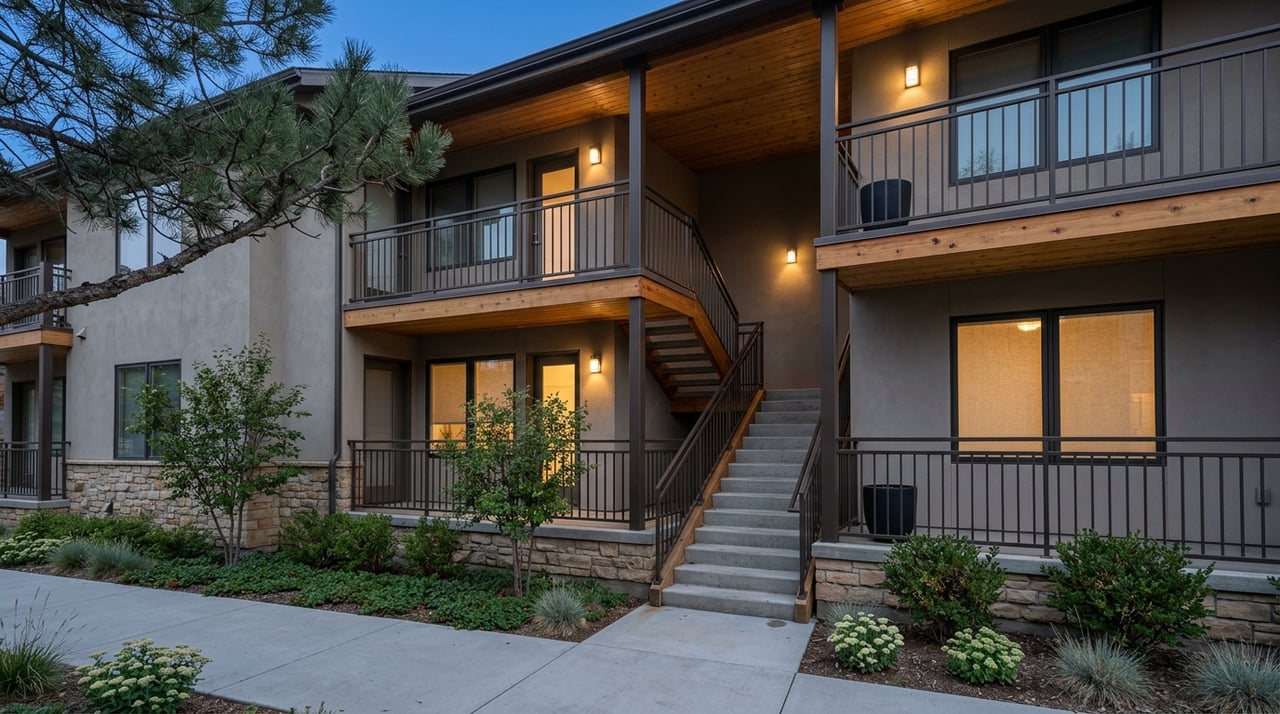
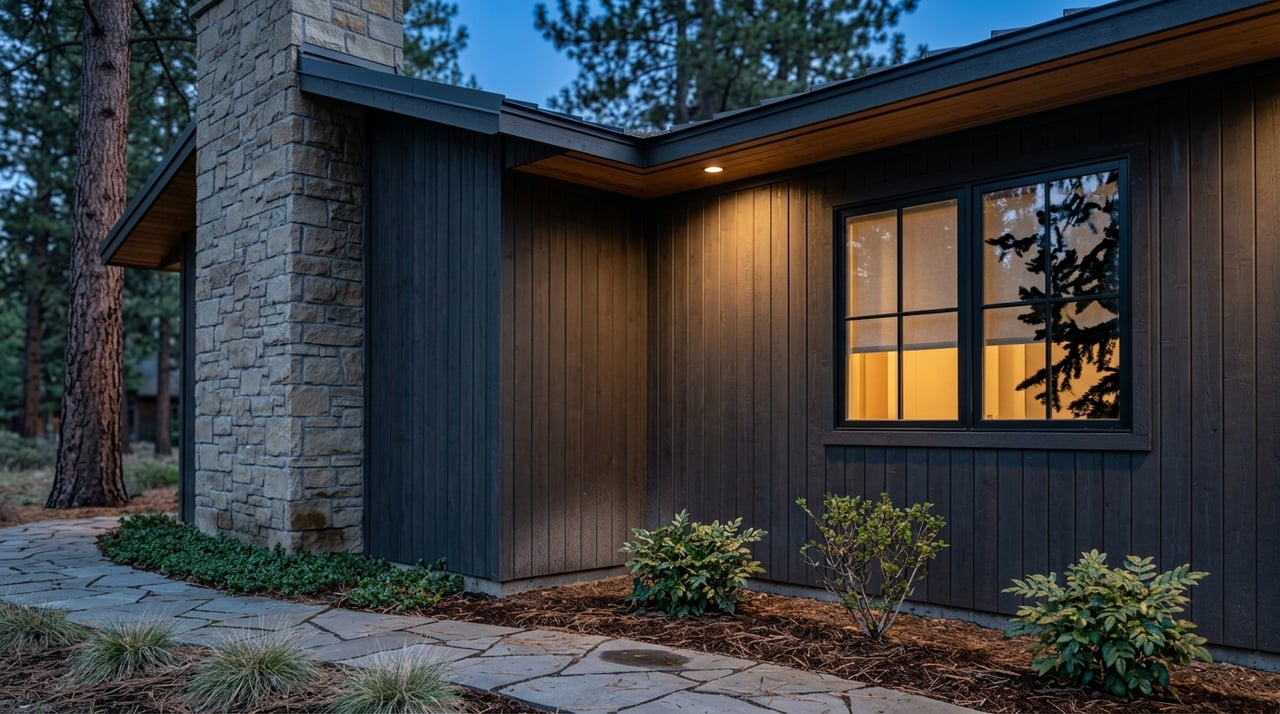
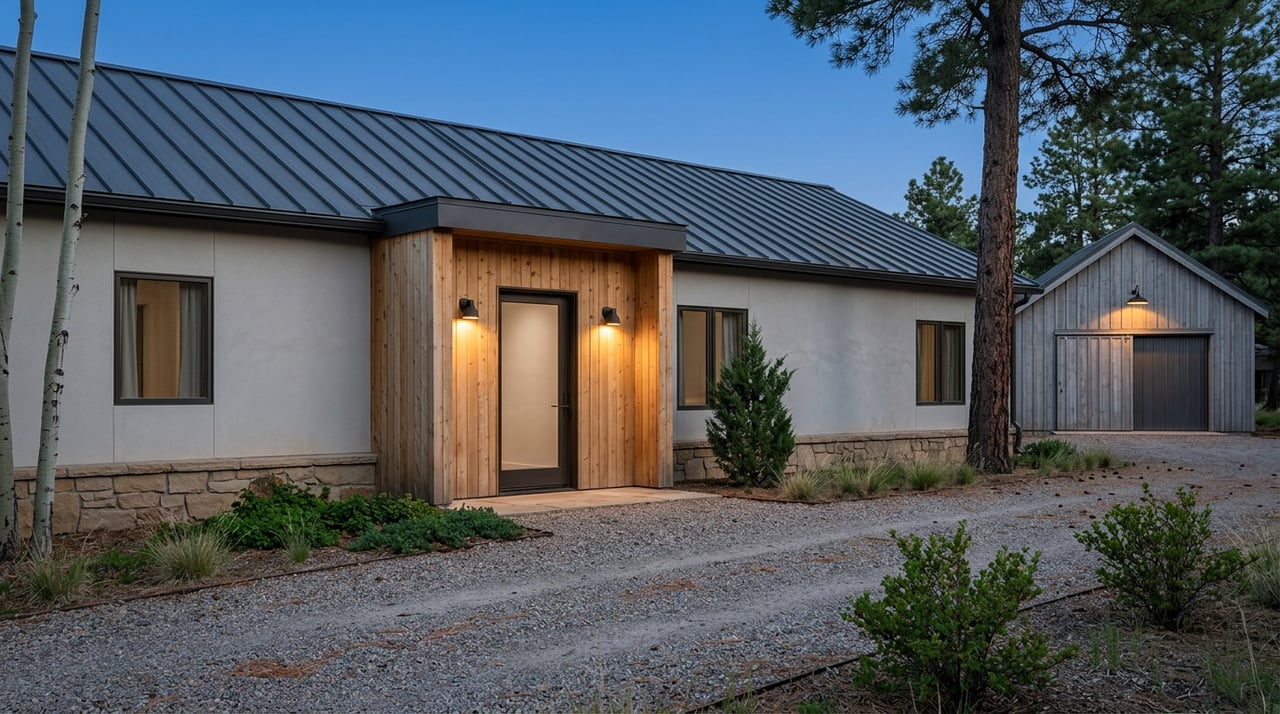
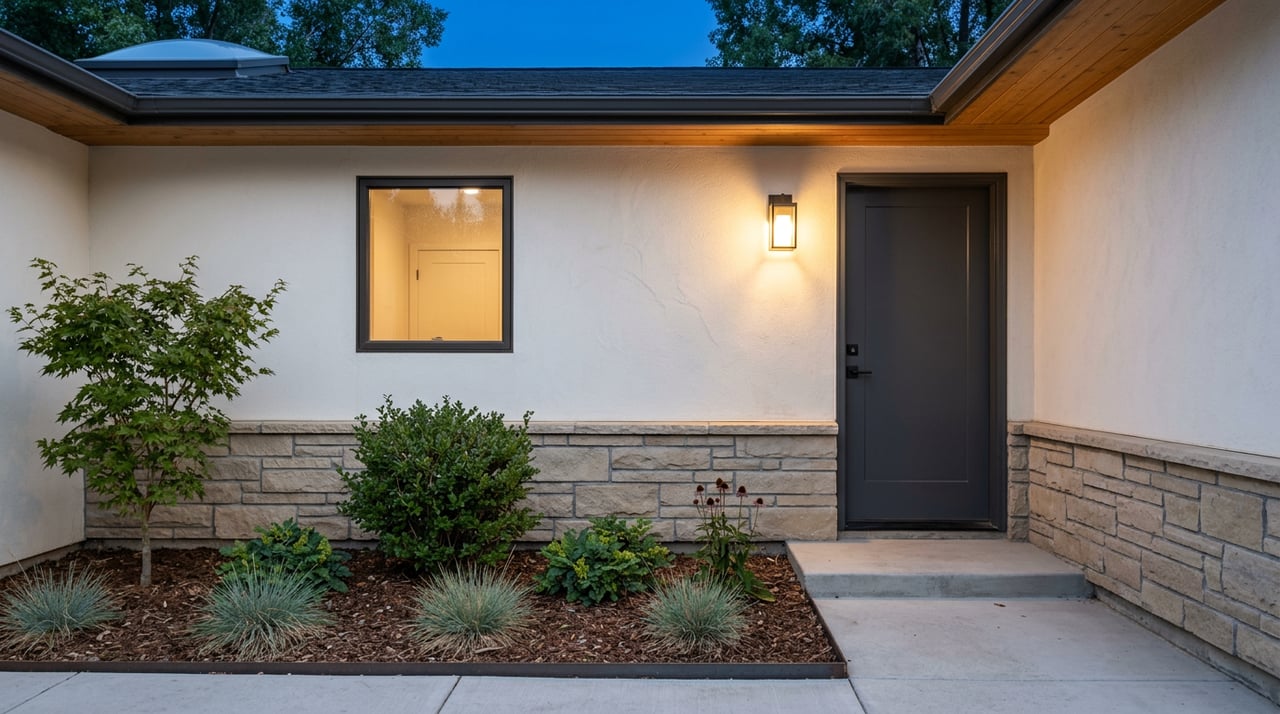
First impressions carry real value. National data shows that a new or refreshed garage door, an updated steel entry door, and tidy landscaping deliver strong return for sellers. According to the latest Cost vs. Value report, curb-focused projects sit near the top for recouping cost. Simple changes, like a crisp front door color, clean walkways, fresh mulch, and healthy planters, signal that the home is well cared for.
Smart kitchen refresh
You do not need a full gut to impress Central Boulder buyers. A minor kitchen remodel, like painting or refacing cabinets, updating hardware, swapping dated counters, modern lighting, and midrange appliances, can lift your price perception without overbuilding. The Cost vs. Value report also ranks minor kitchen projects as strong performers on resale.
Clean, bright, and neutral
Fresh interior paint in a light, neutral palette helps buyers see themselves in the space. Replace tired carpet or refinish worn floors, and update basic lighting for a brighter feel. Remove heavy personal finishes and clutter to make rooms feel larger and more flexible.
Energy and systems Boulder buyers notice
Energy efficiency matters in Boulder. If you have recent upgrades like insulation, an efficient water heater, heat pump readiness, or EV charging prep, document them. The county’s EnergySmart program offers advising and potential rebates that can reduce costs and add appeal. Solar can be attractive when owned and permitted, but national benchmarks show it often recoups less on resale than curb appeal or minor kitchen work, so lead with numbers and records if you have it.
Quiet fixes to prevent surprises
Handle obvious maintenance issues before listing. Address roof leaks and stains, clean gutters, replace very old water heaters or service HVAC units, and gather service records. Check the City of Boulder’s permit history for any prior work and close out open permits. Buyers and appraisers pay attention to unpermitted changes, and resolving them early reduces friction. You can search and learn more on the city’s building permits and inspections page.
Order targeted pre-list inspections
A pre-list inspection puts you in control. You decide what to fix, what to disclose, and where to price. In Central Boulder, older infrastructure and a high radon risk make a few targeted checks especially useful.
- Whole-house inspection: A general inspection helps you find and address common issues before buyers do.
- Radon test: Boulder County is an EPA Zone 1 area, and the county reports that about 1 in 2 homes test high. Many buyers expect results in the listing. Start with a short-term test, and if results exceed the EPA action level, plan to mitigate. Learn more from Boulder County’s radon resources.
- Sewer scope: Older laterals and large trees can lead to costly repairs. A camera scope is a quick check that may prevent big surprises.
- Roof, chimney, and HVAC: If the roof is older, get a roof check or certification. Have a specialist review HVAC units older than 12 to 15 years.
- Lead-based paint disclosure: If your home was built before 1978, federal rules require disclosures and the EPA/HUD pamphlet. See an overview of requirements here.
Budget guidance: Pre-list packages vary by scope. A general inspection plus add-ons like radon and a sewer scope often lands in the mid-hundreds to around a thousand dollars. For typical costs in Colorado, review this home inspection cost guide. If you need radon mitigation, Boulder County homes often see a common range that aligns with regional averages, and you should plan to share the post-mitigation test.
Stage and market for Central Boulder buyers
Staging works. The National Association of Realtors’ latest findings show that staging can shorten time on market and increase offer value. The most important rooms to stage are the living room, primary bedroom, and kitchen. See highlights from NAR’s 2025 Profile of Home Staging.
What to stage first
- Living room: Define seating zones and create an easy flow.
- Primary bedroom: Keep it calm, airy, and uncluttered.
- Kitchen: Clear counters, add fresh lighting, and style with restraint.
Style cues that fit Boulder
Aim for mountain-modern, clean lines, natural materials, and neutral textiles. Highlight indoor to outdoor flow and storage for outdoor gear. Use furniture to make home office or flex spaces clear. Keep sight lines open so buyers can imagine daily life and entertaining.
Digital presentation that sells
Professional photography is a must. Add a floor plan and a short highlight reel that calls out proximity to Pearl Street, trails, and transit, plus any energy-efficient upgrades. If the home is vacant or partially furnished, consider selective staging or virtual staging for key rooms.
Timing, permits, and disclosures
Best months to list in Boulder
Late spring to early summer often draws the largest pool of owner-occupant buyers in Boulder. Investor and student-rental buyers tend to be more active later in the summer. That said, always check current inventory and showing activity before you lock a date. If your home is ready earlier, a well-priced, well-presented listing can still win.
Permits and historic districts
The City of Boulder requires permits for most structural and mechanical work. If your home is within a locally designated historic district, exterior changes may need a Landmark Alteration Certificate, which can add time. Confirm status and close out permits before marketing. Start with the city’s permits and inspections resource.
Required disclosures and forms in Colorado
- Seller’s Property Disclosure: Colorado’s Commission-approved forms were updated for use on or after January 1, 2026. Use the latest Seller’s Property Disclosure, and disclose known material facts.
- Lead-based paint: For homes built before 1978, provide the EPA/HUD pamphlet and complete the required disclosures. See a summary of obligations here.
- Radon: Given Boulder County’s high prevalence, many listings include a recent radon test result or a mitigation record.
- Floodplain: If relevant, review city and FEMA flood maps and disclose insurance status and history. You can check city maps here.
Your 6 to 12 month action plan
Months 0 to 2: data and discovery
- Request a comparative market analysis aligned to your exact micro-neighborhood and property type.
- Pull city permit history and collect your past permits, warranties, and service records.
- Order a general pre-list inspection plus a radon test and sewer scope. Use the results to decide what to fix now, what to disclose, and what to price around.
Months 2 to 6: high-ROI updates
- Tackle curb appeal first: refresh the front door, clean up landscaping, and consider a new garage door if yours is dated. The Cost vs. Value report supports these as top performers.
- Do a minor kitchen refresh if dated. Focus on paint or refacing, counters, hardware, lighting, and modest appliance upgrades.
- If radon levels tested high, schedule mitigation and complete a post-mitigation test. For a sense of typical Boulder County pricing, review this radon mitigation cost overview.
- Complete any energy or mechanical upgrades you plan to market, and keep receipts. If you used rebates, document them.
Months 6 to 9: stage and prepare the launch
- Declutter, deep clean, and stage the living room, primary bedroom, and kitchen. Reference NAR’s staging insights as your guide.
- Hire a professional photographer and create a floor plan and virtual tour.
- Build a clean property file for buyers: permits, energy upgrade receipts, inspection summaries, radon test results, and service records.
Months 9 to 12: final checks and timing
- Confirm the best listing week based on current inventory and showings, then aim for a Thursday launch for maximum weekend exposure.
- Finalize disclosures, attach the Commission-approved SPD, and include federal pamphlets if applicable.
- If your home is in a historic district and you completed exterior work, verify that approvals are in place before photography.
The bottom line for 80301 sellers
You do not need a full renovation to win in Central Boulder. Lead with curb appeal, a clean and neutral interior, a strategic kitchen refresh, and targeted pre-list inspections. Document energy and systems, stage the rooms that matter most, and time your launch to match buyer activity. With a clear plan and local guidance, you can list with confidence and capture strong offers.
Ready to build a tailored prep plan and timing strategy for your home? Connect with Juli Kovats to get a data-informed valuation, staging guidance, and a step-by-step listing plan.
FAQs
What are the best pre-list updates for a Central Boulder home?
- Start with curb appeal, a minor kitchen refresh, fresh paint, and lighting, then handle basic maintenance so buyers feel confident about the home.
Do I need to test for radon before selling in 80301?
- Yes, Boulder County has high radon prevalence, so most buyers expect a recent test or mitigation record, and testing early helps you plan and price.
Should I order a sewer scope on an older Central Boulder property?
- A sewer scope is strongly recommended since older laterals and mature trees can cause issues that lead to costly repairs and closing delays.
How does staging help my Boulder sale?
- Staging focuses buyer attention on flow and function, often shortens time on market, and can improve offer terms, especially in the living room, primary bedroom, and kitchen.
What permits and approvals matter if my home is in a historic district?
- Confirm city permits are closed out and, if you changed your exterior, verify any required Landmark Alteration Certificate so marketing is accurate and compliant.
When is the best time to list a Central Boulder home?
- Late spring to early summer typically draws the most owner-occupant buyers, while investor interest can rise later in summer, so align timing with your target audience.