If you are getting ready to sell in Louisville, staging is not about making your home look generic. It is about helping buyers quickly understand the space, the flow, and the features that make your property memorable online and in person. In a market with both historic Old Town homes and newer subdivision properties, the right strategy can highlight character, support strong photography, and keep your prep budget focused where it matters most. Let’s dive in.
Why staging matters in Louisville
Buyers usually meet your home on a screen first. According to the National Association of Realtors 2025 Profile of Home Staging, 83% of buyers’ agents said staging made it easier for buyers to visualize a property as a future home.
That matters even more because listing media now carries so much weight. NAR also reports that buyers rate photos, floor plans, and virtual tours as highly useful, and its 2024 buyer report found that all buyers use the internet in their home search. In other words, staging and photography work together.
Staging can also support stronger market performance. In the same NAR staging report, 17% of buyers’ agents believed staging increased the dollar value offered by 1% to 5%, and 30% of sellers’ agents reported a slight decrease in time on market when the home was staged. That does not mean every home needs a major spend, but it does show why thoughtful presentation is worth planning.
Focus on the rooms buyers notice most
If you want to stage efficiently, start with the spaces buyers care about first. NAR found that buyers’ agents rank the living room as the most important room to stage, followed by the primary bedroom and kitchen.
That is helpful for Louisville sellers trying to decide where to invest time and money. Instead of trying to perfect every corner, concentrate on the rooms that shape the strongest first impression in photos and showings.
Living room
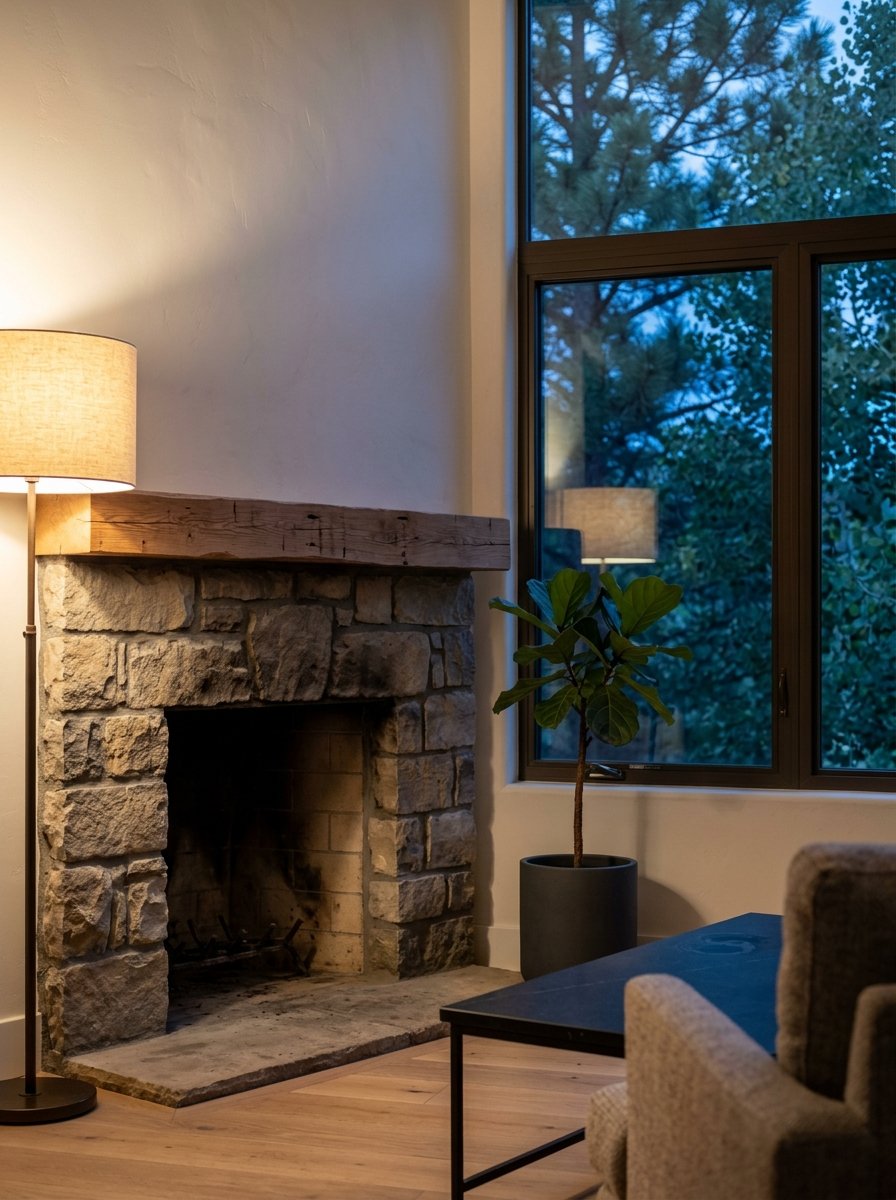
Your living room helps buyers understand how the home lives day to day. In many Louisville homes, especially older ones, the room may be compact, so scaled furniture matters.
Remove one or two pieces if the room feels tight. A cleaner layout improves sightlines, helps the room photograph better, and keeps buyers focused on the architecture rather than the furniture.
Primary bedroom
The primary bedroom should feel calm, open, and functional. Keep bedding simple, reduce extra furniture, and clear surfaces so the room reads as restful rather than crowded.
If the bedroom is smaller, avoid trying to fill every wall. A lighter touch often helps buyers see more usable space.
Kitchen
In the kitchen, visual simplicity wins. Clear counters, remove magnets and papers, and keep the space bright and clean before photography.
Buyers do not need decorative clutter to understand the room. They need to see layout, storage, light, and condition.
Match the staging to Louisville’s housing stock
Louisville is not a one-style market. The city describes Old Town as a historic residential area surrounding downtown with diverse architecture and a distinct character, while many other homes sit within planned subdivisions regulated through overlays. That means staging should respond to the home itself, not follow a one-size-fits-all formula.
Highlight character in Old Town homes
In Louisville’s Downtown and Transition Area design guidance, original residences are described as generally one-story, 20 to 30 feet wide, with porches, small front yards, and simple roof forms. Those proportions matter when you stage.
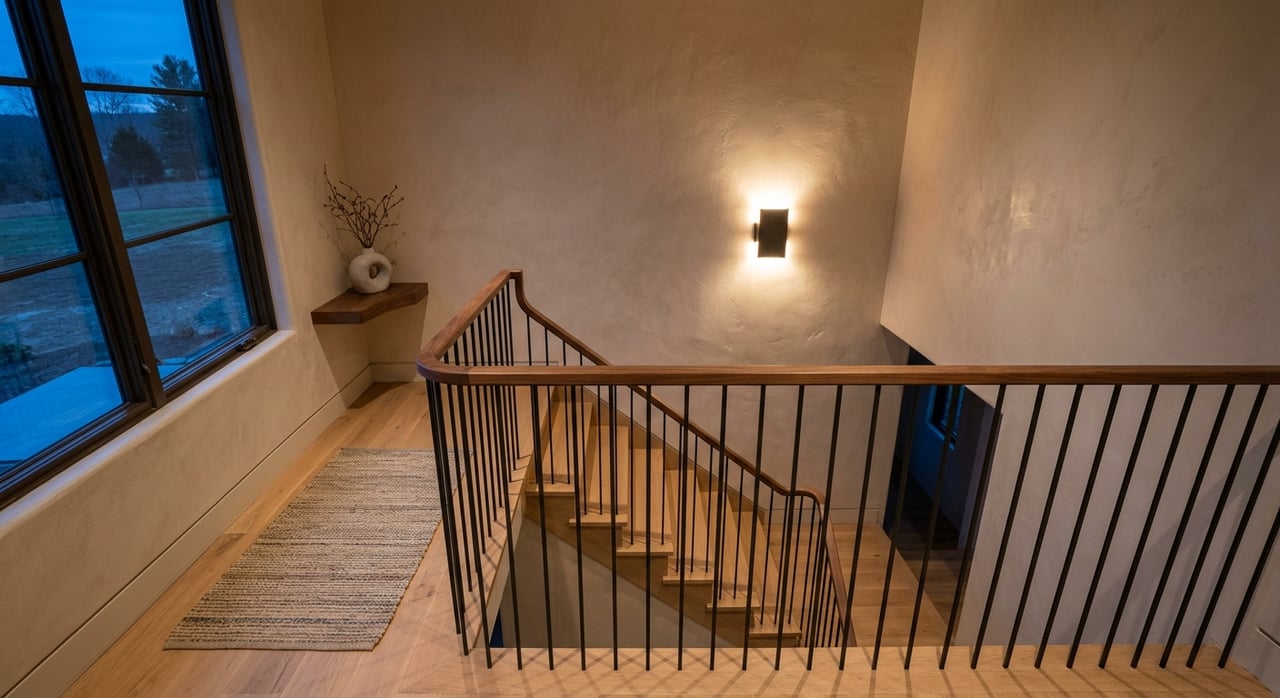
Oversized furniture, heavy decor, and crowded rooms can make a historic home feel smaller and hide the very details that give it appeal. If your home has original trim, built-ins, wood floors, masonry, or porch details, keep those features visible.
Keep newer homes feeling crisp and spacious
In more recent subdivision homes, staging still should be restrained. The goal is to show scale, flow, and flexibility, especially in open-concept areas.
Use clean-lined furnishings, minimal accessories, and clear walkways. Even in larger homes, too much furniture can make the floor plan harder to read in photos.
Make smaller rooms look larger
Many Louisville homes, especially in older areas, have rooms that benefit from editing. NAR’s photo prep guidance for sellers recommends removing furniture so a space appears larger on screen.
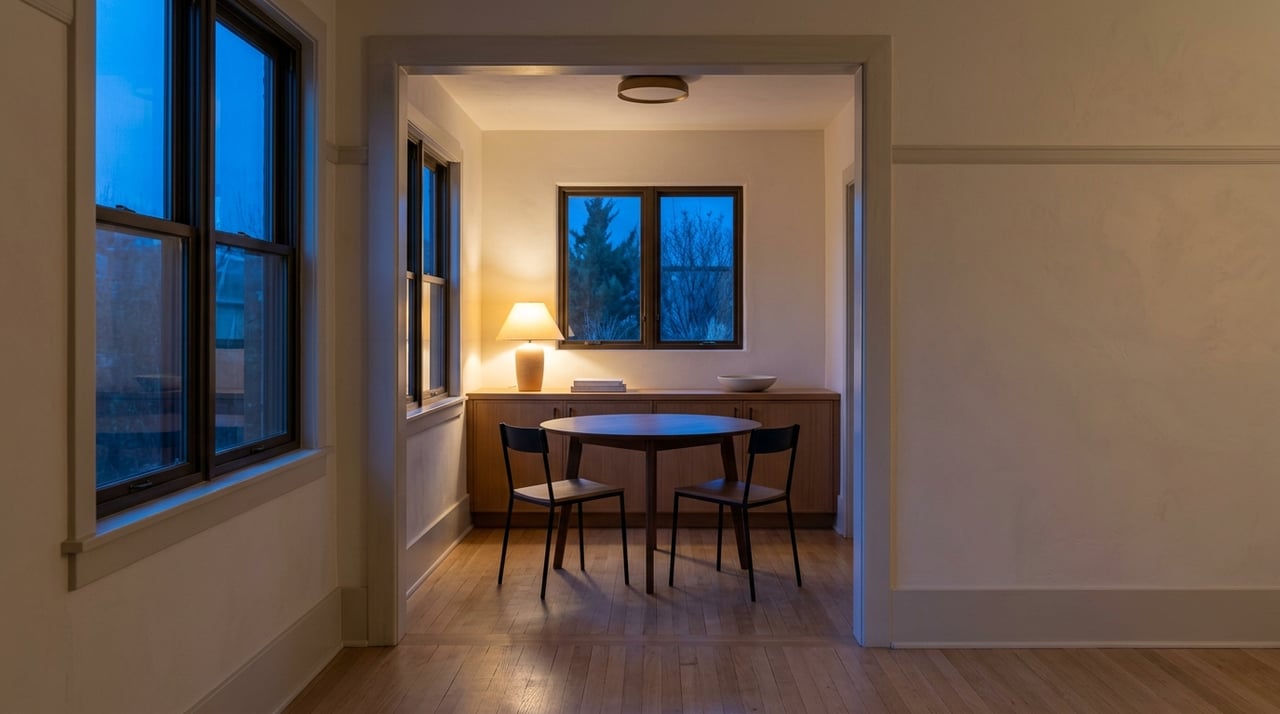
That advice is simple but effective. Before photos, try taking out one chair, one side table, or an extra storage piece from each room. You may be surprised how much bigger and brighter the space looks.
A few best practices help here:
- Choose furniture that fits the room instead of dominating it.
- Leave enough open floor area to define pathways.
- Use a few simple textiles or plants rather than many small accessories.
- Keep wall art limited and non-distracting.
Don’t overlook the porch and entry
In Louisville, the front of the home often carries extra visual weight. The city’s design guidance emphasizes porches and small front yards as part of the scale and identity of homes in historic and transition areas.
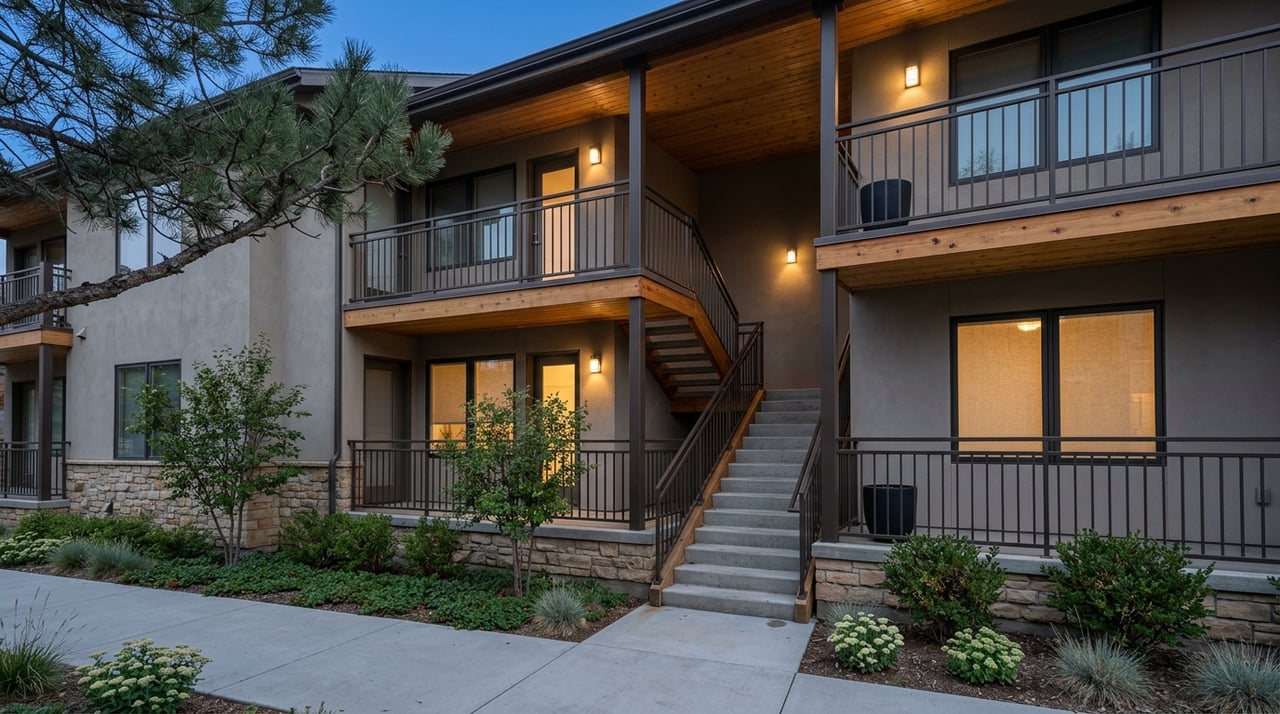
That means your front entry should feel intentional. A swept porch, tidy landscaping, simple planters, visible house numbers, and refreshed door hardware can improve the first impression without turning into a renovation project.
NAR also identifies curb appeal as one of the most commonly recommended seller improvements. For many buyers, the exterior photo is the image that decides whether they click into the listing at all.
Keep accessories simple
When sellers think of staging, they sometimes picture buying lots of decor. Usually, that is not the answer. NAR recommends keeping props simple and avoiding distracting accessories.
A restrained palette tends to work best. Think clean surfaces, a few layered textures, and just enough warmth to make the home feel lived in without feeling personal or busy.
This approach is especially effective in Louisville homes with architectural personality. If the trim, floors, windows, or porch are part of the story, the accessories should support that story, not compete with it.
Vacant homes still need staging
An empty home may seem easier to sell because it looks clean and move-in ready. In reality, vacant rooms can photograph flat and may even look smaller than they are.
NAR notes that empty interiors can create a poor first impression, so if your home is vacant, it usually makes sense to stage at least the key spaces. At minimum, prioritize the living room, primary bedroom, and kitchen so buyers can understand scale in the online listing.
Prepare for photography before you list
Staging is only half the equation. The other half is how the home is presented online.
NAR’s guidance for photo prep recommends opening blinds for natural light, dusting thoroughly, removing refrigerator magnets, taking down distracting art, keeping TVs off, closing toilet lids, and moving cars out of the driveway. These details may sound small, but they shape whether your listing feels polished.
For Louisville homes, the first listing image should usually communicate the property’s strongest feature right away. That may be the exterior, the porch, or another standout view that gives buyers a reason to keep scrolling.
A strong listing package should also include more than photos alone. NAR recommends pairing photos with floor plans, video, and virtual tours where appropriate, since space does not always translate fully through still images.
Plan your pre-listing timeline
The order of operations matters. If you tackle the right items in the right sequence, you can avoid wasted effort and focus on the changes buyers will actually notice.
A practical pre-listing plan looks like this:
- Declutter the entire home.
- Deep clean every room.
- Handle paint touch-ups and lighting updates.
- Refresh curb appeal and the front entry.
- Edit furniture and accessories.
- Schedule photography once the home is fully ready.
This sequence aligns with NAR’s emphasis on decluttering, cleaning, curb appeal, and photo readiness. It also helps you direct your budget toward the areas most likely to support a strong online launch.
Check Louisville rules before exterior changes
If your home is in Old Town or has landmark status, pause before making exterior changes. Louisville’s historic preservation program requires review for certain exterior alterations that need permits, and demolition review can apply in some situations involving older structures.
That is especially important if you are considering work to windows, porches, siding, or other street-facing features before listing. The city also offers grants and loans for some landmarked properties, so early planning can save time and help you make smarter decisions.
Smart staging is about clarity, not excess
The best staging in Louisville does not erase your home’s identity. It sharpens it. Whether you are selling a compact Old Town bungalow or a newer home in one of Louisville’s planned subdivisions, the goal is the same: help buyers see the home clearly, feel its scale accurately, and connect with it from the very first photo.
If you are thinking about selling and want a tailored plan for what to update, what to leave alone, and where staging can make the biggest difference, Juli Kovats offers thoughtful, data-informed guidance designed for Boulder County sellers.
FAQs
What rooms should Louisville sellers stage first?
- For Louisville sellers, the top rooms to prioritize are the living room, primary bedroom, and kitchen because buyers’ agents identify those spaces as the most important to stage.
How should you stage a historic home in Louisville Old Town?
- For a Louisville Old Town home, keep original features like trim, wood floors, built-ins, masonry, and porch details visible, and use scaled furniture that does not overwhelm smaller rooms.
Does staging help Louisville homes sell online?
- Yes, staging supports stronger online presentation because buyers rely heavily on listing photos, floor plans, and virtual tours, and staged homes can be easier for buyers to visualize.
What curb appeal updates help a Louisville listing most?
- For a Louisville listing, simple updates like sweeping the porch, tidying the front entry, adding planters, refreshing hardware, and making house numbers easy to see can improve first impressions.
Should you stage a vacant home in Louisville?
- Yes, a vacant Louisville home can benefit from staging because empty rooms may look smaller in photos, so at least the living room, primary bedroom, and kitchen should usually be staged.
Do Louisville sellers need to check rules before exterior work?
- Yes, Louisville sellers with homes in Old Town or landmarked properties should review city requirements before exterior changes, especially for windows, porches, siding, and other street-facing elements.