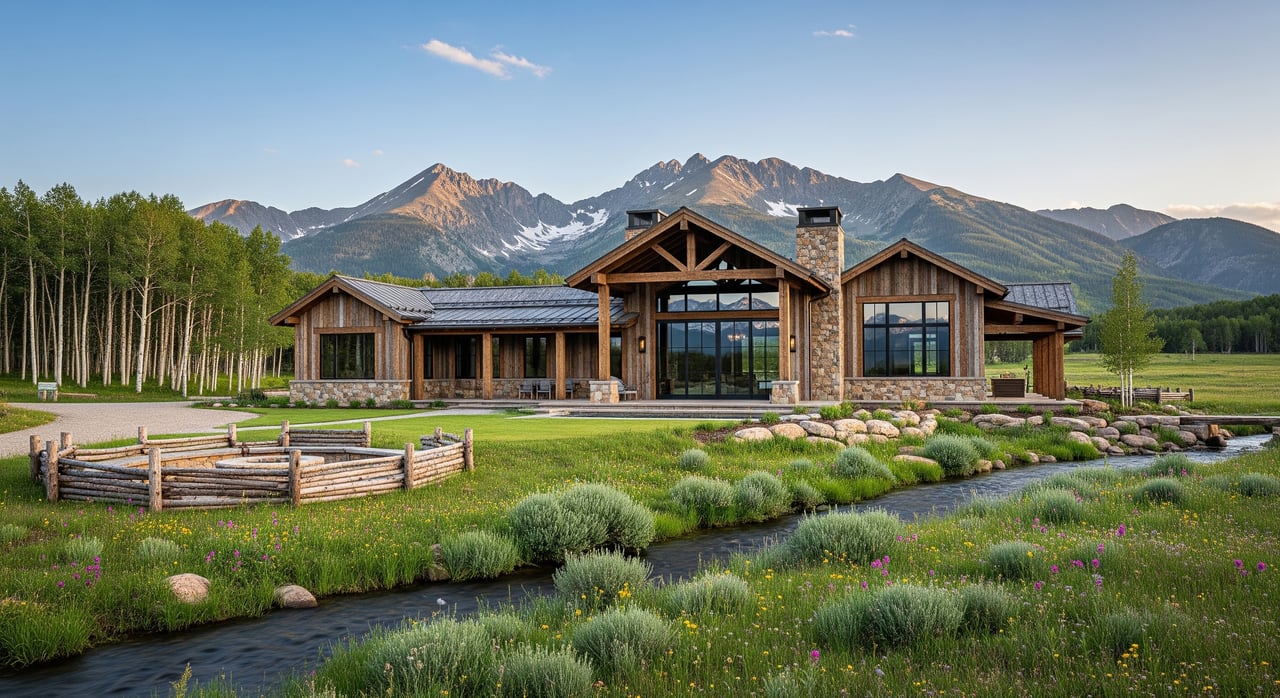
Dreaming about a foothills home where you can ski powder in the morning and grill on your deck by sunset? If you have your eye on the mountain communities around Buena Vista in 81236, you’re not alone. The landscape is stunning, the pace is calm, and the lifestyle is deeply connected to the Arkansas River and surrounding peaks. This guide walks you through what year‑round living really looks like here, from winter access and utilities to internet options, everyday logistics, and seasonal rhythms. Let’s dive in.
Year-round living in 81236
Living near Buena Vista means high‑valley life shaped by elevation, weather, and access to public lands. You’re in a small‑town hub with regional services close by and outdoor adventures in every direction. Understanding the basics helps you choose a property that fits your daily life, not just your weekends.
Elevation and climate reality
Most of Buena Vista sits around 7,900 to 8,000 feet, and nearby mountain communities often sit higher. That elevation affects everything from snow load to heating costs and building materials. You will see regular winter snow, with more at higher elevations, and shoulder seasons can stay cold longer. Plan for four true seasons and make maintenance choices that match the climate.
Community layout and homes
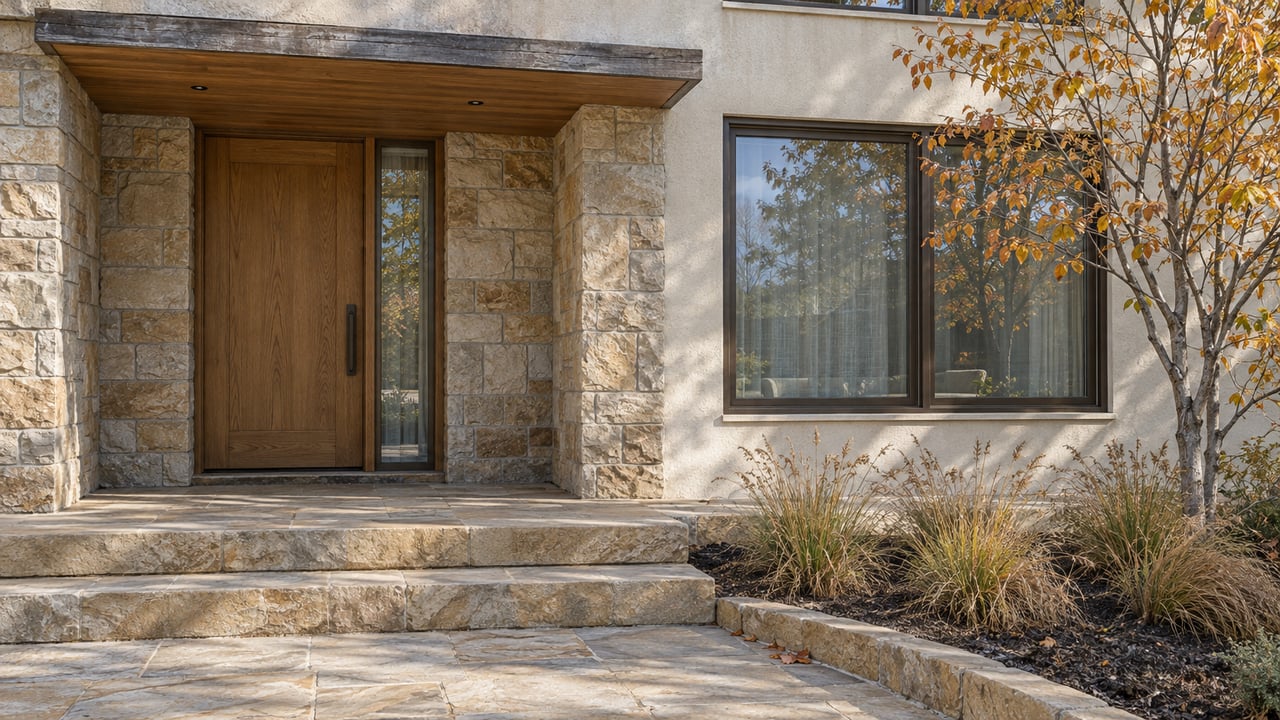
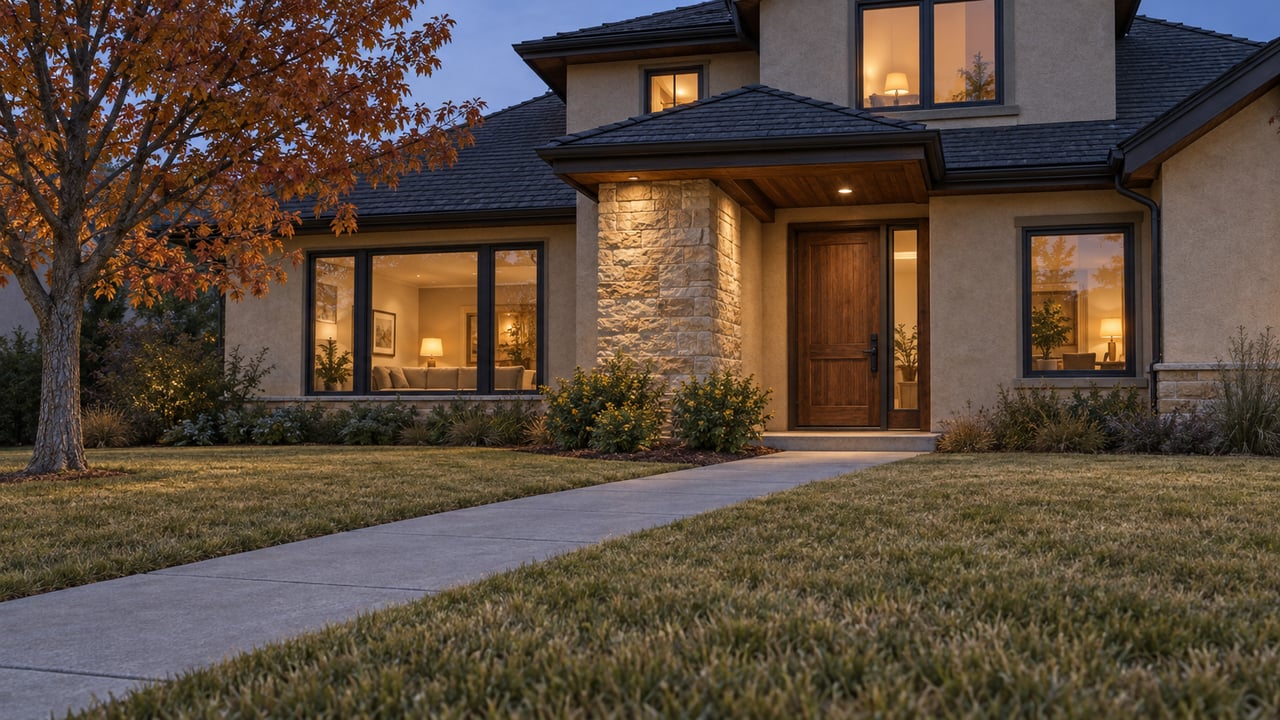
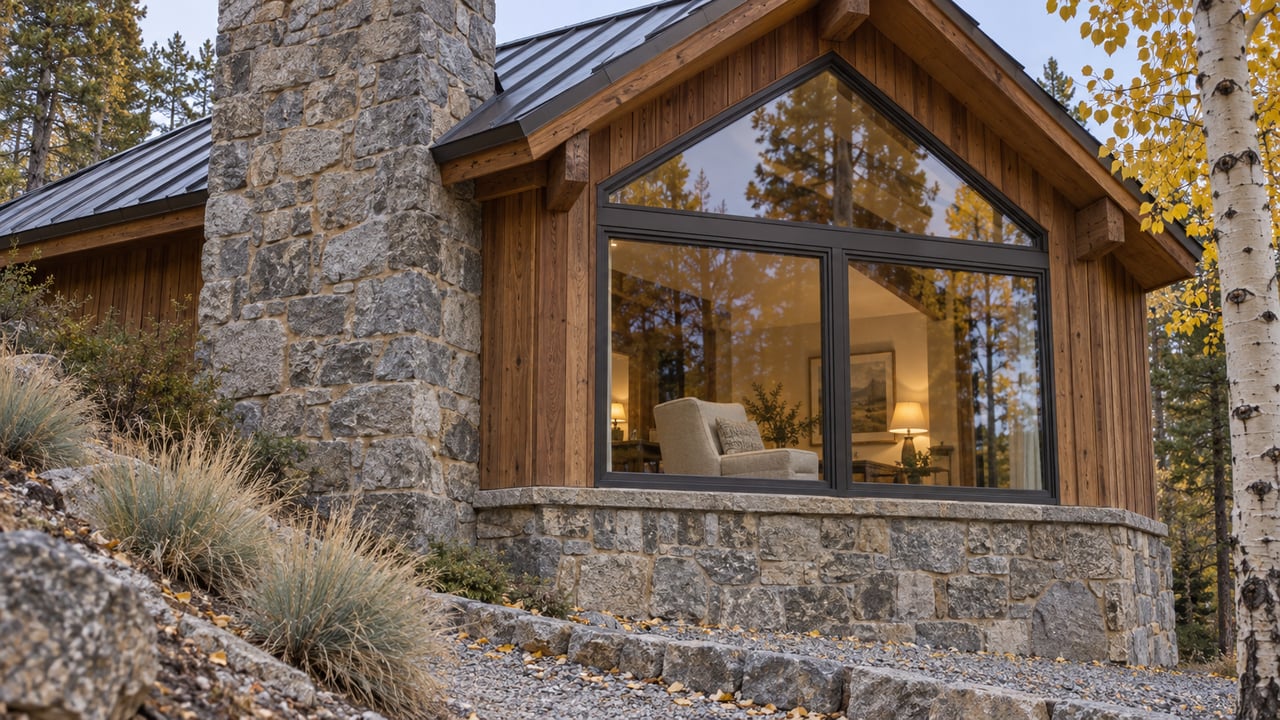
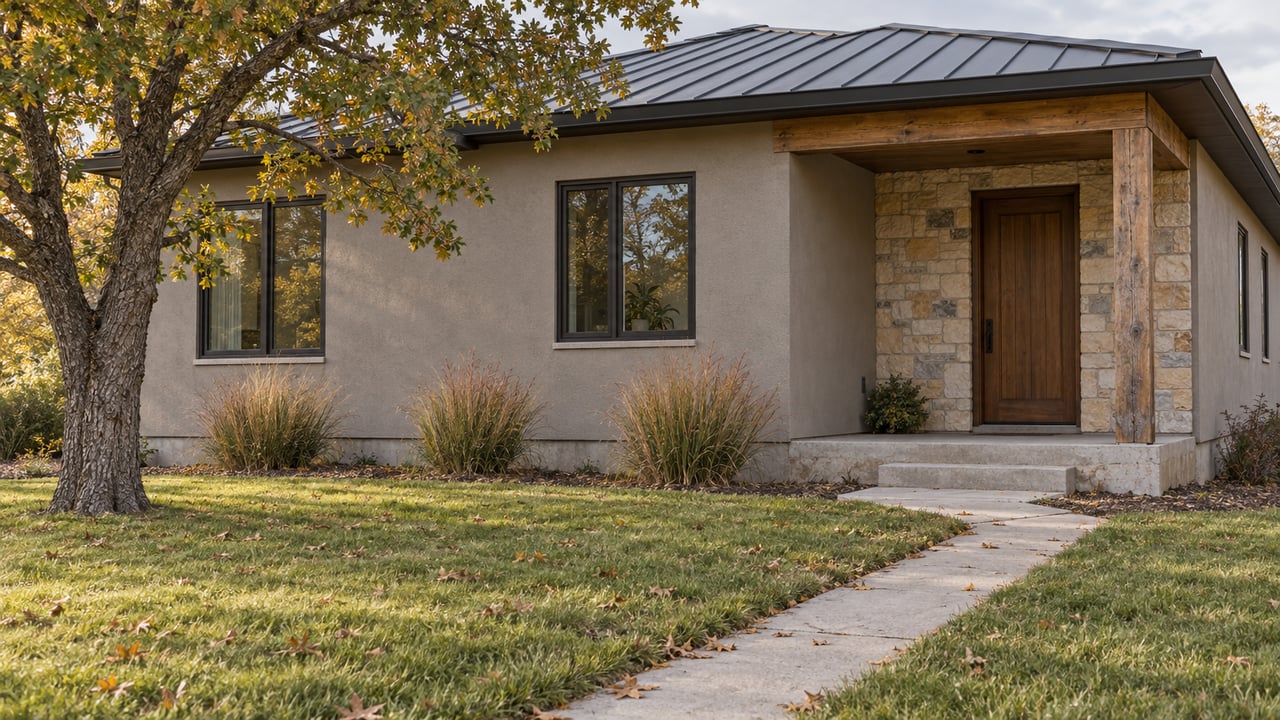
You will find a range of options: cabins and rural parcels, mountain lots, and planned subdivisions, plus single‑family homes in and around town. Some properties are designed as seasonal cabins while others are built for full‑time living. Many rural parcels rely on wells and septic systems, while in‑town homes may have municipal utilities. Covenants and HOAs vary by subdivision, so review them before you buy.
Day-to-day logistics and services
Everyday convenience depends on where you land within the valley. The tradeoff is simple: higher views and privacy often mean more driving and more self‑reliance.
Commutes and travel times
Expect local drives between Buena Vista and Salida to run about 15 to 25 minutes depending on your start and end points. For big‑city access, Colorado Springs is roughly 1.5 to 2 hours and Denver is about 2 to 2.5 hours depending on route, weather, and traffic. Winter conditions can extend those times. Many residents keep most trips within the county and reserve Front Range travel for occasional needs.
Internet and cell coverage
Remote work is common, but speeds vary by neighborhood. Town centers tend to have stronger wired broadband, while many rural or mountain parcels rely on fixed wireless, satellite providers like Viasat, or Starlink. Cell coverage is generally reliable in the valley but can be spotty on mountain roads and remote lots. The smartest move is to test actual upload and download speeds at the specific property and confirm cell reception where you will work.
Utilities: water, sewer, heat, and trash
Water sources vary. In‑town properties may use municipal water, while rural homes often rely on private wells. Well depth and yield matter for both living and future building. Septic systems are common outside town, and a permitted inspection is a standard part of due diligence. Heating typically uses electric, propane, or limited natural gas availability in certain areas. If a home uses propane, confirm delivery schedules and typical seasonal usage. Trash and recycling may be handled by town or county services in more populated areas, with private haulers serving outlying properties.
Schools and healthcare
Public school assignments depend on district boundaries, with Buena Vista School District RE‑2 serving Buena Vista and Salida’s district serving nearby areas. Verify the exact assignment by address. For healthcare, you will find clinics and primary care in Buena Vista and a regional hospital and medical services in Salida. Specialty care usually means a trip to Colorado Springs or Denver.
Recreation and lifestyle
If outdoor access is your north star, this region delivers. From high‑alpine routes to mellow valley trails, your backyard opens into some of Colorado’s best public lands.
Trails, river, and nearby highlights
You have easy access to trailheads in the San Isabel National Forest and nearby BLM lands, with hiking, mountain biking, and cross‑country skiing close to home. The Arkansas River corridor offers world‑class trout fishing and popular whitewater runs, with outfitters operating in Buena Vista and Salida. Browns Canyon National Monument is a local favorite for rafting and hiking. For downhill skiing, Monarch Mountain sits west of Salida and makes for simple day trips. You can also tap into the Colorado Trail and countless alpine routes in the Collegiate Peaks.
Seasonal rhythms
Summer is peak season for rafting, fishing, biking, and events, and services tend to scale up with tourism. Spring and fall can be mixed at higher elevations, where snow arrives earlier and lingers longer. In winter, valley trails can stay usable while alpine routes hold snow. Backcountry travel requires training and caution due to avalanche exposure at higher elevations. Plan your seasons and gear accordingly.
Seasonal challenges and safety
Mountain living rewards preparation. Know what to expect and you will enjoy the seasons rather than fight them.
Winter driving and snow management
Snow and ice are normal parts of winter. State highways and county roads are maintained, but private roads and steep driveways may not be. Year‑round residents often use vehicles with AWD or 4WD and quality winter tires. For property care, think ahead about roof snow loads, ice dams, and driveway plowing. Some owners keep shovels, sand, and chains on hand, or set up seasonal plowing contracts. On steep lots, heated driveways or frequent plowing can be the difference between easy access and regular headaches.
Wildfire risk and insurance
Forested and foothill parcels can face wildfire risk. Creating defensible space and using fire‑resistant materials are common best practices. Insurance availability and premiums can depend on mitigation measures, so confirm coverage early in your search. Local programs and county resources can help you plan improvements and understand current risk designations.
Flooding and geological hazards
Properties near the Arkansas River or in drainage corridors should be checked against flood information. Steep terrain and summer thunderstorms can cause localized flooding or debris flows in some drainages. Homes near steep slopes may warrant research into avalanche hazard, especially at higher elevations.
Power and infrastructure reliability
Storms can cause power outages. Some residents install backup generators or keep contingency plans in place. If resilience is important to you, ask about a property’s utility outage history and consider simple upgrades like surge protection or backup heat sources.
A smart buying checklist
Use this quick framework to evaluate candidates for year‑round living.
On‑site and seasonal checks
- Visit in more than one season, ideally late winter and summer.
- Drive the route you will use most during snow months and at peak travel times.
- Test mobile reception and internet speeds at the property during your typical work hours.
- Listen and observe for seasonal noise changes, including tourism flow and road maintenance.
Property and municipal due diligence
- Verify the water source, whether municipal or well, and review well logs if applicable.
- Confirm septic permits, capacity, and inspection results.
- Clarify road maintenance responsibilities for access roads and driveways, including snow removal.
- Check zoning, setbacks, and land‑use restrictions with the county or applicable town.
- Review any HOA covenants, dues, and plow or road agreements.
Safety, insurance, and mitigation
- Request a wildfire risk assessment and ask about local fuel mitigation programs.
- Confirm homeowners insurance availability and any required mitigation work.
- If the home uses propane, confirm delivery logistics and typical winter consumption.
- Consider simple resilience upgrades like generator readiness, roof maintenance, and gutter protection.
Community and lifestyle fit
- Map travel times to schools, groceries, and medical services you will use most.
- Decide how much privacy you want versus how often you need in‑town convenience.
- Talk with neighbors about winter access, plowing routines, and seasonal patterns.
- Align your recreation goals with trailheads and river access you plan to use often.
Is year-round living right for you?
If your ideal day includes early‑morning trail time, a short hop to the river, and a quiet evening under big sky, 81236 can be a great fit. The key is planning for winter access, confirming utilities and connectivity, and matching your lifestyle to a specific neighborhood or parcel. With a clear checklist and local guidance, you can find a home that works in July and in January.
If you are exploring mountain retreats or a full‑time move, let’s talk through options, logistics, and a smart path forward. Reach out to Juli Kovats to start a focused, data‑informed search that fits your life.
FAQs
What should I know about winter driving near Buena Vista?
- Expect regular snow and ice. Use AWD or 4WD with winter tires, and confirm who maintains your access road and driveway.
How reliable is internet in 81236 mountain neighborhoods?
- Speeds vary by location. In‑town areas often have better wired options, while rural parcels may rely on fixed wireless or satellite. Test speeds at the property.
Do most rural homes use wells and septic systems?
- Many do. Verify well logs and water quality, and ensure the septic system is permitted and inspected before closing.
What are typical commute times from Buena Vista to Salida?
- Plan for roughly 15 to 25 minutes, depending on exact start and end points and seasonal road conditions.
Is wildfire insurance easy to obtain for mountain homes?
- Availability and cost can depend on property‑specific risk and mitigation. Get quotes early and ask about defensible space and material upgrades.
How close is downhill skiing to 81236?
- Monarch Mountain, west of Salida, is within easy day‑trip range for many residents and is a popular local ski option.