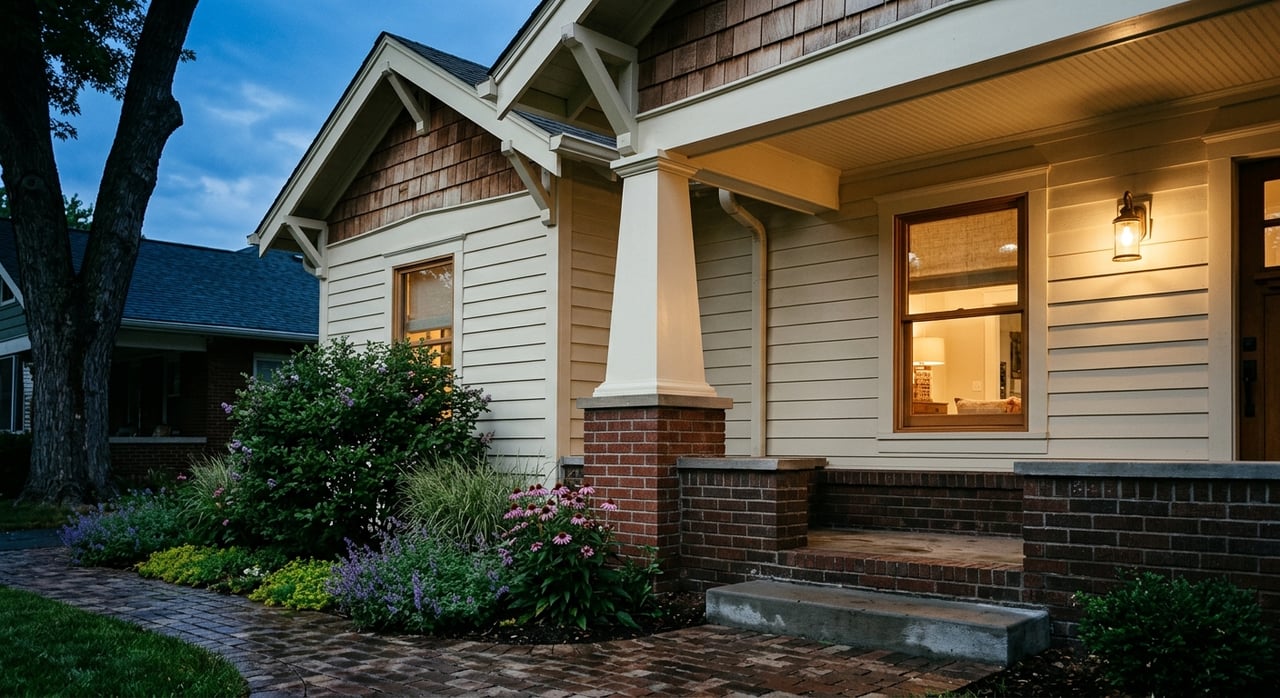
Wondering whether Louisville, Colorado is the kind of place where you can still find charm, space, and newer construction in one market? The answer is yes, but where you look matters a lot. Louisville offers everything from historic cottages in Old Town to newer homes in growth-focused areas, and understanding those differences can help you make a smarter move. Let’s dive in.
Why Louisville draws so much attention
Louisville sits in a competitive part of Boulder County, and the numbers show it. The U.S. Census Bureau reports a 71.7% owner-occupied housing rate, a median owner-occupied home value of $883,900, and a median gross rent of $2,166.
Current market trackers paint a similar picture of a high-demand market. Zillow shows an average Louisville home value of $841,317, with homes pending in about 14 days, while Redfin reports a median sale price of $979,414 over the three months ending May 2026 and an average of 43 days on market. Realtor.com classified Louisville as a seller’s market as of March 2026.
That does not mean every part of Louisville feels the same. The city’s planning documents make it clear that Louisville is made up of distinct neighborhood character areas, each with its own housing mix, feel, and future path.
Old Town homes in Louisville
If you picture Louisville as tree-lined streets, older homes, and a walkable historic core, you are probably thinking of Old Town. The city describes this area as the original town, developed organically from the 1880s through the 1960s in a pedestrian-oriented pattern.
This is also where Louisville’s historic housing character is easiest to see. The city’s residential context report identifies the bungalow as the most common historically recognizable house type in the Original Town of Louisville, and preserved cottages like the Trott-Downer Cabins help tell that story.
Old Town also tends to command premium pricing. Redfin shows a median sale price of about $1.03 million for the three months ending May 2026, with recent sales ranging from around $660,000 for smaller older homes to well over $1.9 million for larger remodeled or custom properties.
For many buyers, Old Town is about more than square footage. You may be paying for architectural character, a more traditional street grid, and a neighborhood setting that feels meaningfully different from newer parts of town.
Why Old Town still feels distinct
Louisville has an active preservation framework in place for historic Old Town. The city funds preservation through a dedicated sales tax extended through 2029 and offers grants and loans for landmarked properties.
The city also uses historic surveys, demolition review, and overlay zoning to protect older resources. In practical terms, that helps explain why Old Town often retains a strong sense of identity even as individual homes are updated over time.
Established Louisville neighborhoods
Outside Old Town, Louisville includes several close-in established neighborhoods that offer a wider range of home types and price points. The city highlights North Louisville, South Louisville, Coal Creek, Fireside, and Lake Park as distinct areas with different housing patterns.
North Louisville includes a mix of new and older single-family homes, multifamily dwellings, and some commercial frontage. South Louisville is mostly single-family with some duplexes and townhomes, while Coal Creek blends single-family homes, townhomes, and apartments. Fireside is mostly single-family with some apartments and townhomes, and Lake Park includes apartments, townhomes, mobile homes, and single-family homes.
This part of the market often appeals to buyers who want balance. Instead of choosing only historic charm or only newer construction, you may find a middle ground in terms of price, lot size, home style, and condition.
Budget range in established areas
Recent pricing shows that Louisville has real variation from one area to another. Redfin’s current snapshot places North Louisville at about $611,000 median sale price and Coal Creek at about $834,000.
North Louisville sales have recently ranged from roughly $510,000 to $983,000. That kind of spread suggests you can find very different property types and update levels within the same general area.
Larger lots and open-space access
If your priority is more breathing room, Davidson Mesa and Hillside are worth close attention. The city describes Davidson Mesa as mostly larger-lot single-family homes with a few duplexes and office uses along South Boulder Road, while Hillside is all single-family homes, mostly on larger lots.
These neighborhoods stand out for buyers who care about openness and access to outdoor amenities. Davidson Mesa Open Space includes 5.5 miles of designated trails and a dog off-leash area, making this area especially appealing if trail access and views are high on your list.
Davidson Mesa’s current median sale price is about $775,000, with recent sales ranging from the mid-$600,000s to above $1.5 million. That range reflects how much lot size, updates, and specific location can affect value in Louisville.
Newer homes and growth areas
If you are looking for Louisville’s newer residential side, Hecla is the clearest example. The city describes Hecla as newer homes on either side of Highway 42, along with apartments, townhomes, single-family homes, senior housing, and significant retail development around South Boulder Road and Highway 42.
Hecla can be a useful option if you want a newer-home feel or a corridor-oriented setting with a mix of housing types. Redfin reports a median sale price of about $685,000 over the three months ending May 2026, which is below Old Town and some other established areas while still reflecting Louisville’s competitive market.
Looking ahead, Louisville does not expect future housing growth to be spread evenly across the city. According to the city’s 2026 comprehensive plan materials, roughly 90% of future residential capacity is concentrated in four opportunity areas:
- Redtail Ridge
- Centennial Valley
- South Boulder Road
- Downtown
That matters if you are specifically hoping for new construction or redevelopment potential. In Louisville, the next wave of housing is more likely to be focused in targeted areas than scattered across every neighborhood.
How to think about Louisville by lifestyle
One of the best ways to approach Louisville is to match your priorities to the part of town that supports them best. This can help you narrow your search faster and make better tradeoffs.
If you want historic charm
Old Town is the clearest fit for buyers drawn to classic bungalows, cottages, and a historic street pattern. It is often the strongest choice if architecture and neighborhood character are driving your search.
If you want variety and flexibility
North Louisville, Coal Creek, Fireside, South Louisville, and Lake Park offer a broader mix of housing types. These areas can make sense if you want more options across price point, size, and condition.
If you want space and trails
Davidson Mesa and Hillside stand out for larger lots and a more open residential feel. Davidson Mesa, in particular, ties daily living closely to open space and trail access.
If you want newer housing options
Hecla and the city’s opportunity areas are the places to watch. If newer construction, redevelopment, or a more contemporary housing mix matters to you, these areas are the logical starting point.
A quick price snapshot
Here is a practical way to look at Louisville’s current neighborhood pricing based on Redfin data:
| Area | Approximate Median Sale Price |
|---|---|
| Old Town | $1.03 million |
| Coal Creek | $834,000 |
| Davidson Mesa | $775,000 |
| Hecla | $685,000 |
| North Louisville | $611,000 |
These figures are best used as a guide, not a rule. In Louisville, home value can shift quickly based on architectural style, lot size, updates, and where a property sits within the city.
Outdoor access and commute appeal
Louisville’s housing demand is not just about the homes themselves. It is also tied to the lifestyle around them.
The city reports more than 355 acres of parkland, 37 designated parks, and about 32 miles of trails. That includes the Loops of Louisville routes, regional trail connections, and cycling infrastructure tied to the US 36 corridor.
Commute access is another major draw. According to the city profile, Louisville is about 15 minutes from Boulder, 25 minutes from downtown Denver, and 35 minutes from Denver International Airport via Northwest Parkway. The city also notes regional bus service at the Louisville/Superior Park-n-Ride and local RTD service.
For many buyers, that combination is hard to ignore. You can prioritize trail access and outdoor recreation while still keeping regional travel reasonably convenient.
One more factor: ADU potential
For some buyers, long-term flexibility matters almost as much as the house itself. Louisville’s current ADU rules allow one attached or detached accessory dwelling unit on all single-family lots in zone districts that allow single-family detached or attached units, with a specific exception for Old Town existing buildings and special treatment for historic and affordable housing incentives.
That does not mean every property will work the same way, but it does mean some homes may offer more future utility than their current layout suggests. For buyers thinking about guest space, multigenerational use, or longer-term adaptability, this is worth evaluating early.
What Louisville homes really offer
Louisville is not a one-note market. It is a place where historic homes, established neighborhoods, larger-lot settings, and newer growth areas all play different roles.
If you are deciding between Old Town charm and a newer build, the right answer usually comes down to how you want to live day to day. Your commute, your budget, your design preferences, and your need for outdoor access or long-term flexibility can all point you toward a different part of town.
If you want help sorting through Louisville’s neighborhoods with a data-informed and highly personal approach, Juli Kovats can help you evaluate the market and find the right fit for your goals.
FAQs
What is the difference between Old Town and newer Louisville neighborhoods?
- Old Town is Louisville’s historic core, known for older bungalows, cottages, and a pedestrian-oriented street pattern, while newer areas like Hecla tend to offer a more contemporary housing mix with townhomes, apartments, and newer single-family homes.
What are Louisville home prices like by neighborhood?
- Recent Redfin data shows approximate median sale prices of $1.03 million in Old Town, $834,000 in Coal Creek, $775,000 in Davidson Mesa, $685,000 in Hecla, and $611,000 in North Louisville.
Where are new builds most likely in Louisville, Colorado?
- Based on the city’s comprehensive plan materials, most future residential capacity is expected in Redtail Ridge, Centennial Valley, South Boulder Road, and Downtown.
Which Louisville neighborhoods have larger lots?
- Davidson Mesa and Hillside are the strongest matches for buyers looking for larger-lot single-family homes and a more open residential setting.
Why do Louisville buyers care so much about location within town?
- Louisville has distinct neighborhood character areas, and home style, lot size, outdoor access, pricing, and future growth patterns can vary significantly from one part of the city to another.