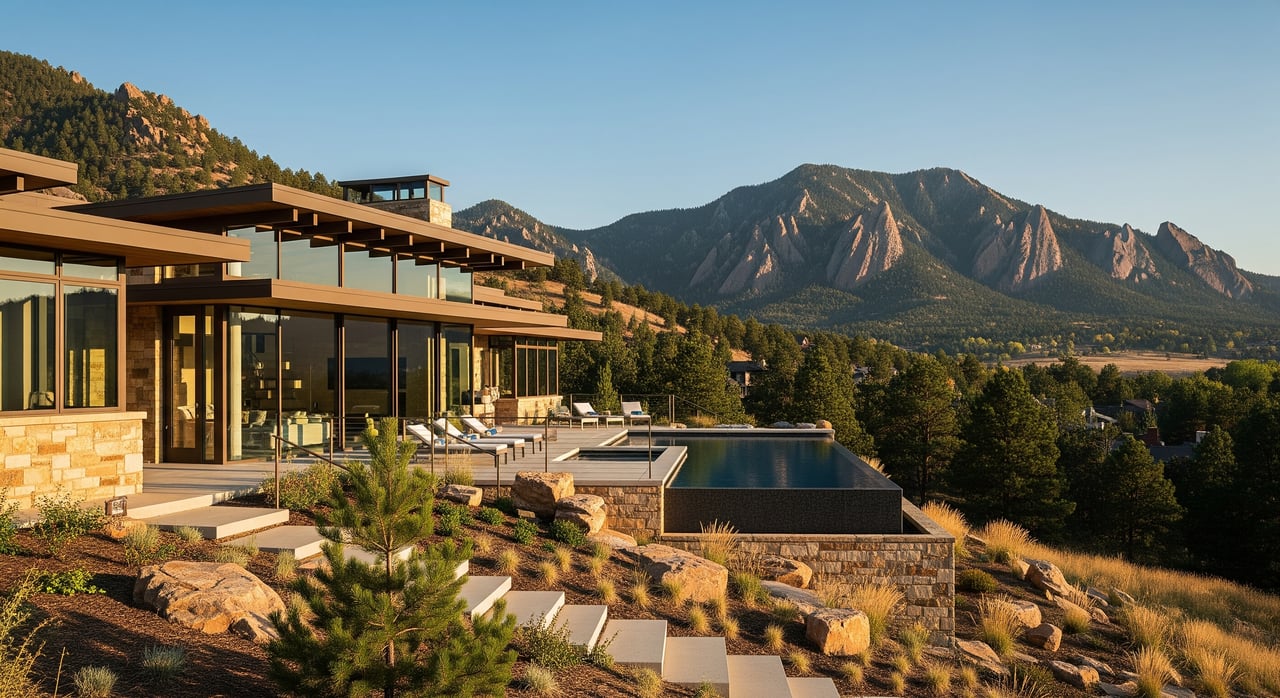
Choosing between Pine Brook Hills, Boulder Heights, and Sunshine can feel like three versions of the same dream: foothill views, privacy, and a quick hop to Boulder. The reality is that each area comes with different terrain, road access, utility setups, wildfire considerations, and permitting steps. You want the mountain lifestyle without surprises. This guide breaks down what typically differs across these neighborhoods and gives you a practical checklist to verify any property before you move forward. Let’s dive in.
How these areas differ
All three sit on Boulder’s mountain edge, where rolling foothills meet steep canyons. Lots can look large on paper yet have only a small buildable bench. Roads may be narrow and winding. Wildfire exposure is part of life in the wildland–urban interface. Utilities are mixed, and permitting can be more involved than in town.
What changes by neighborhood are the common terrain profiles, the feel and geometry of roads, how utilities are typically provided, and how constrained a lot might be for building or additions. Always confirm details for the specific parcel you’re considering.
Terrain and lot profiles
Pine Brook Hills terrain
You often find a mix of ridgelines and benches, with wooded, mixed-conifer vegetation. Many homes perch on slopes with broad views. Some parcels offer clear buildable benches, while ridge-top lots feel more exposed to wind and may face stricter visual-siting standards. Geotechnical conditions can vary, so plan for site-specific surveys and soils reports.
Boulder Heights terrain
Boulder Heights tends to feel like an elevated bench or plateau above the city, with pockets of steep slopes. It includes older subdivision parcels and some infill. Some areas offer relatively easier building conditions than tight canyon settings, but lot-by-lot variation is the rule. Verify the actual flat area, driveway feasibility, and any hazards on GIS layers before you judge buildability.
Sunshine terrain
Sunshine (Sunshine Canyon) is canyon country. Expect steeper walls, a narrower valley feel in places, rock outcroppings, and dense vegetation. Many parcels are smaller, irregular, or steep, with limited buildable benches. Older mining-era lots add complexity and may require extra investigation during permitting.
Road access and winter driving
Pine Brook Hills roads
Roads are typically narrow and winding, with a mix of public and private sections. Some parts are closer to Boulder’s street grid, which can shorten drive times, but winter maintenance can vary on private segments. Driveway grades, turnarounds, and clearances matter for both daily living and emergency response.
Boulder Heights roads
Access is similar to other foothill areas, with a blend of public and private roads. You may experience fewer tight canyon pinch points, though steep driveways still appear. Winter plowing and maintenance responsibilities depend on who maintains the road. Confirm whether the county, a district, or a road association handles it.
Sunshine roads
Sunshine Canyon Road is a narrow, curving mountain road. Side roads can be steep with limited turnarounds and, in places, single egress. Winter and emergency access can be more challenging than on hillsides with multiple outlets. Verify maintenance responsibilities and any seasonal access limitations.
Utilities and service districts
Pine Brook Hills utilities
Utility setups vary. Some lower sections may be closer to municipal networks, but many parcels rely on a mix of well, septic, and overhead electric. Broadband and phone options differ by pocket. If natural gas is not available, propane may be common. Always check recorded utility easements and existing service lines before planning improvements.
Boulder Heights utilities
Expect a patchwork. Parcels nearer to municipal infrastructure may have more options, while more remote lots often use wells and septic. Overhead electric is common. Broadband and cellular options can vary from wired to fixed wireless or satellite. Confirm utility providers and service history at the parcel level.
Sunshine utilities
Municipal water and sewer are less likely across many Sunshine parcels. Many homes use wells, community water systems, or septic. Electric service is commonly overhead, and broadband or cell coverage can be spotty in some spots. Factor in propane where natural gas is not available.
Wildfire risk and fire protection
All three neighborhoods sit in the wildland–urban interface with mixed vegetation, variable slopes, and periods of dry weather. That means you should plan for defensible space, ember-resistant design choices, and visible addressing for responders. Some fire authorities will require driveway and access improvements, fuel reduction, and mitigation commitments when you build or remodel.
Insurance can be affected by wildfire exposure and access. Start conversations with local insurers early and keep mitigation documentation handy. Ask the local fire authority about apparatus access standards, turnarounds, and grade limits for your driveway.
Permitting and buildability
Mountain parcels often face additional steps for grading, driveways, drainage, and erosion control. Zoning overlays, ridgeline standards, and height limits can influence where and how you build. For additions or new construction, you will typically need a site survey, soils/geotechnical reports, and engineered plans for cuts, fills, and retaining structures.
If the parcel has older mining activity or lies in a canyon, expect targeted reviews. Pre-application meetings with the county or city can surface required studies early, which helps you budget and set timelines.
Which neighborhood fits your priorities
- If you want easier access and potentially simpler daily logistics: Look for parcels closer to Boulder’s street grid with established benches. Pine Brook Hills and parts of Boulder Heights may offer options, but verify driveway grades and winter plowing.
- If you prioritize maximum solitude and dramatic views: Ridge-top or more remote lots in Pine Brook Hills or Boulder Heights can deliver, with the tradeoff of more wind exposure, longer utility runs, and stronger wildfire mitigation obligations.
- If you’re drawn to canyon character and historic charm: Sunshine can feel uniquely rugged and scenic. Plan for tighter access, smaller benches, and careful due diligence on utilities, geotech, and permitting.
Buyer due diligence checklist
Immediate public-record checks:
- Pull the parcel’s recorded plat, legal description, and any easements or covenants.
- Review Boulder County GIS layers for slope, contours, drainage, landslide or erosion hazards, and wildfire hazard.
- Check utility service boundaries and easements. Confirm electric, water, sewer, and broadband options.
- Identify the local fire authority and ask about apparatus access standards for driveways and roads.
- Verify well permit history and septic/onsite wastewater permits and inspections.
Site- and transaction-level steps:
- Request the seller’s package: well logs, septic records, utility bills, any road maintenance agreements, past soils/geotech reports, and HOA or road association documents.
- Commission a topographic survey and a soils/geotechnical report early for sloped or rocky sites.
- Ask the fire authority and public works to review driveway access, turnarounds, and grade compliance.
- Confirm winter plowing plans, cost sharing, and the performance of your specific road in storms.
- Obtain an arborist or vegetation assessment to plan wildfire mitigation and defensible space.
- Get quotes and availability feedback from insurers who write policies in the WUI.
Permitting and buildability:
- Schedule a pre-application meeting with Boulder County or the City of Boulder to clarify required studies and submittals.
- Confirm zoning, overlays, setbacks, maximum heights, and any ridgeline or scenic standards.
- Review any HOA architectural controls that could affect design or materials.
Seller prep for hillside listings
- Gather documents: well permits, septic records, past geotech reports, utility bills, and any road or maintenance agreements. Being ready with proof of services builds buyer confidence.
- Clarify access and winter maintenance: buyers will ask who plows and how often. Provide written agreements where possible.
- Address mitigation: show recent defensible-space work and any fire authority guidance you followed.
- Map the buildable area: if you’ve done a survey or grading plan, share it. Buyers appreciate clarity on what is realistically buildable.
If you want a calm, well-managed process and a clear plan to verify the details that matter, you’re not alone. The right foothills home rewards that extra diligence.
Ready to compare specific parcels, confirm utilities and access, and map out your path to closing with confidence? Start the conversation with Juli Kovats for tailored buyer or seller guidance.
FAQs
Are utilities available for homes in Boulder’s foothills?
- Many hillside parcels are off municipal mains. Verify water and sewer availability, and check well and septic records for the specific property.
How is winter road access in Pine Brook Hills, Boulder Heights, and Sunshine?
- It varies by road classification and maintenance agreements. Confirm who plows, typical timing, and any single-egress constraints or steep driveway grades.
What affects wildfire risk in these neighborhoods?
- Vegetation, slope, and access all matter. Plan for defensible space, ember-resistant materials, and driveway standards set by the local fire authority.
Is a lot in Sunshine Canyon likely buildable?
- Buildability depends on topography, setbacks, hazards, and septic or well feasibility. Commission a site survey and geotechnical report and confirm requirements with planning staff.
Do ridge-top lots have special rules in Boulder’s foothills?
- Many ridge-top or visually prominent sites have additional siting or height standards. Confirm applicable overlays and design requirements before you plan.
How should sellers prepare documentation for a foothills home sale?
- Assemble well and septic records, utility bills, road agreements, and any soils or survey reports. Clear, verified documentation improves buyer confidence and marketability.