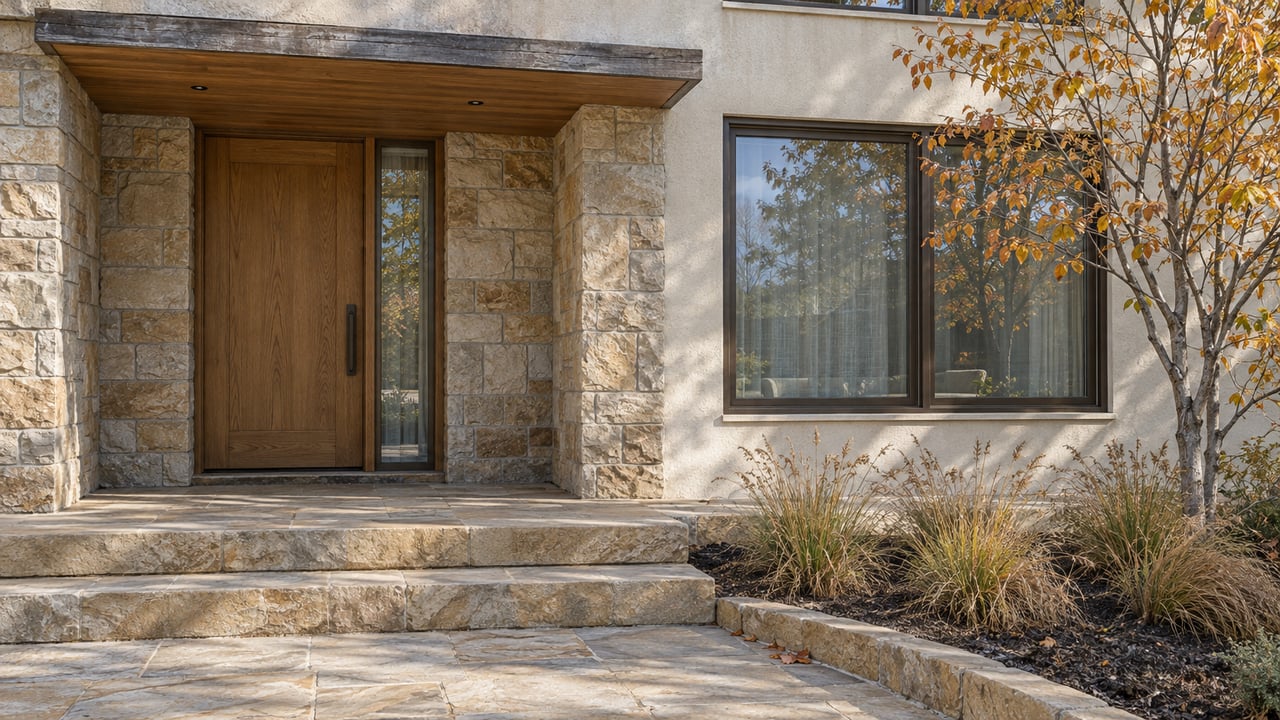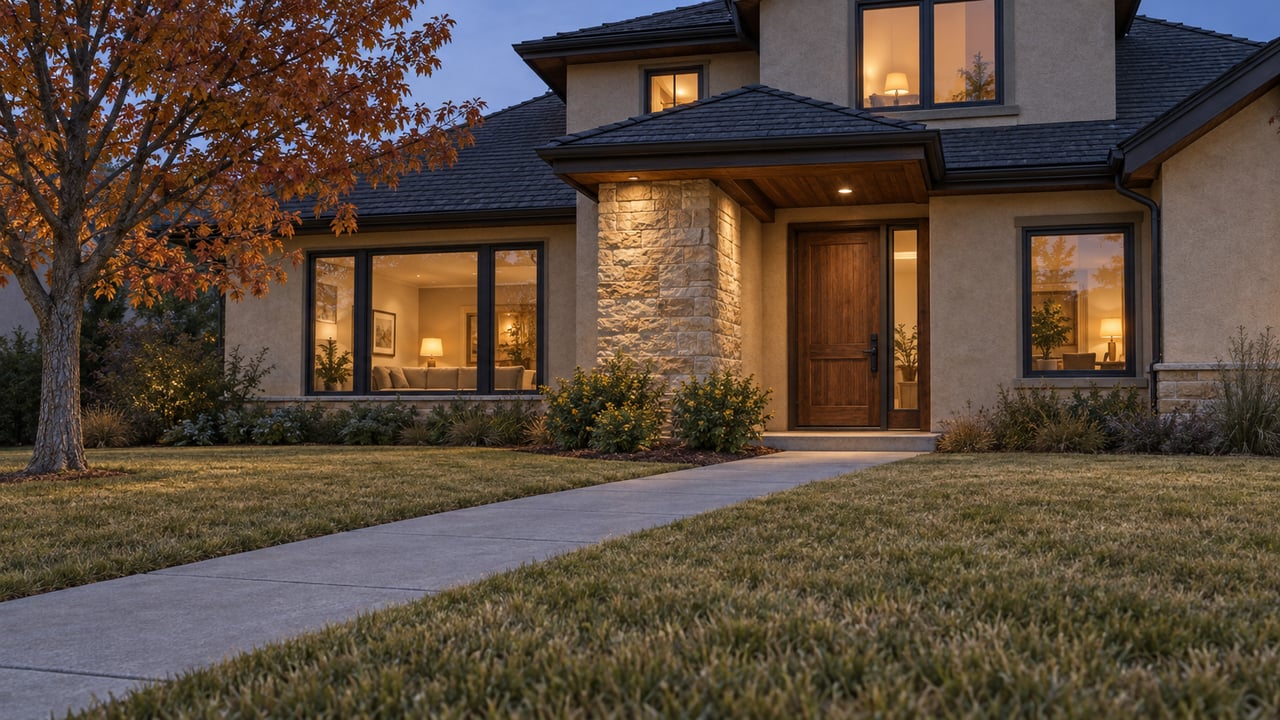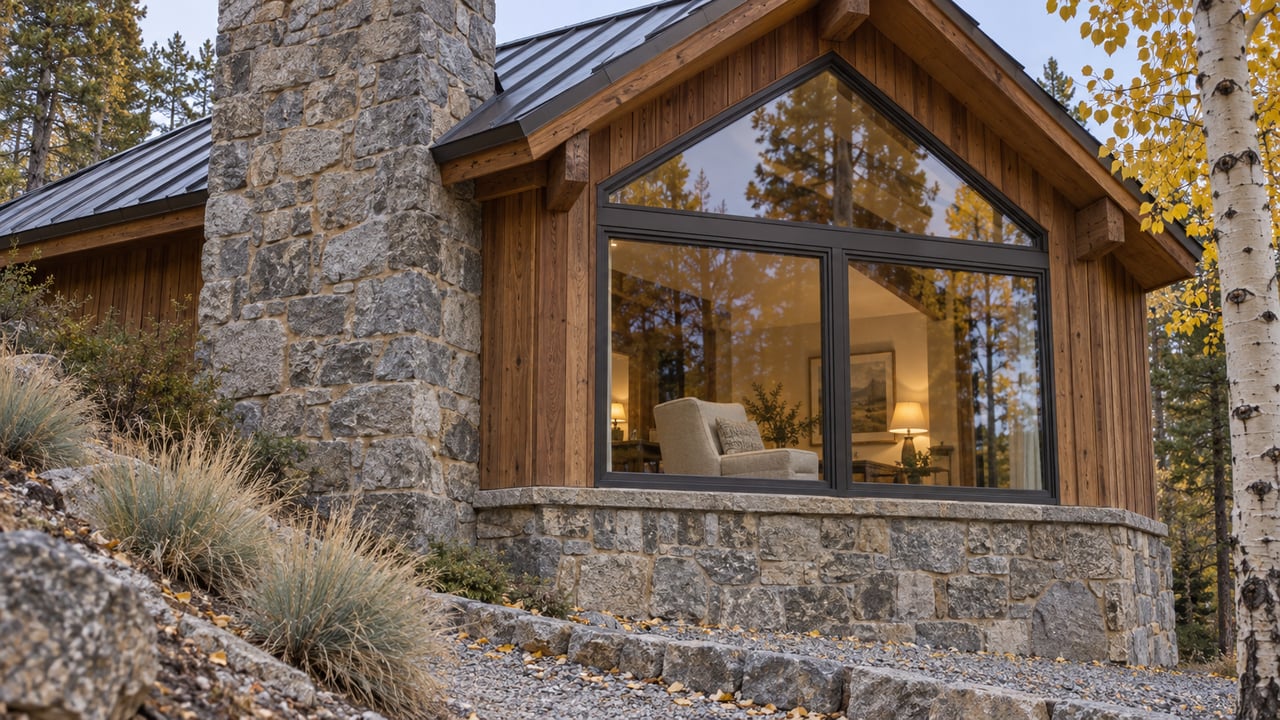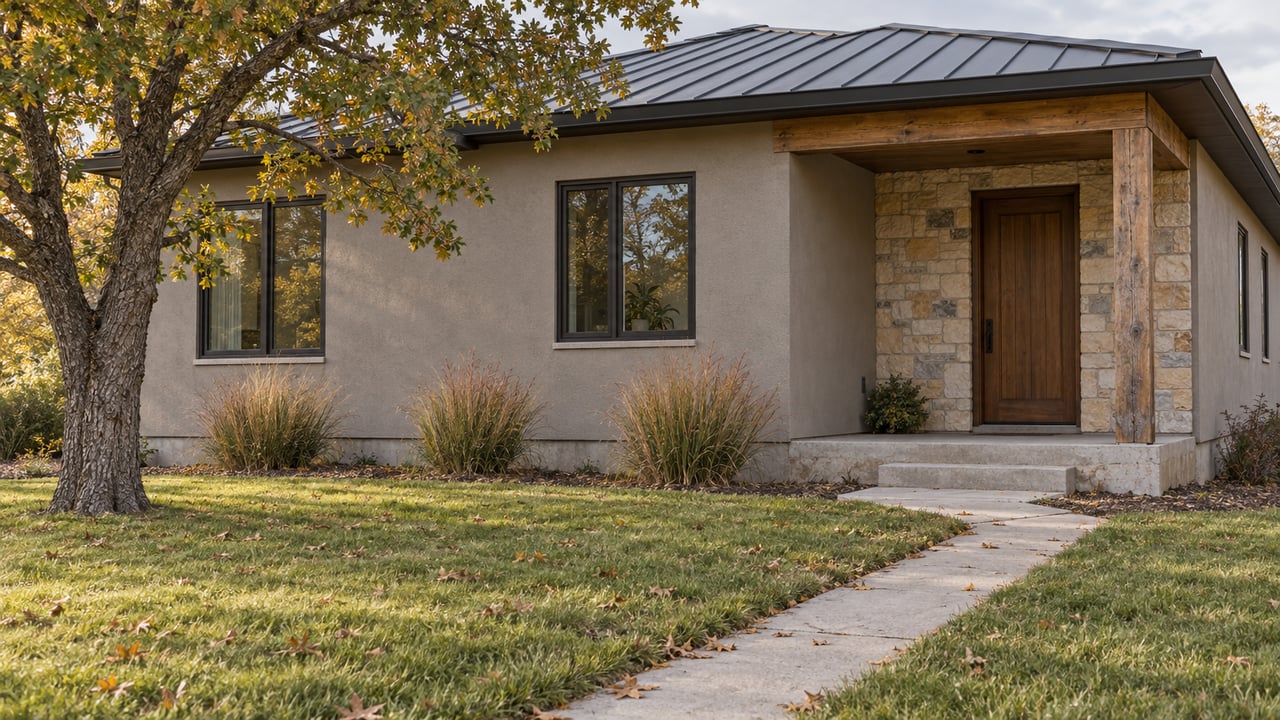
Building in the Boulder foothills comes with unmatched views and a very real responsibility: wildfire readiness. If you are planning a new home or a major remodel, the rules and timelines can feel complex. You want to protect your investment, meet code, and keep insurance options open. This guide breaks down what Boulder County and the City of Boulder require, how to comply, and where to find funding to offset costs. Let’s dive in.
Wildfire risk and why rules changed
Boulder’s code updates accelerated after the 2021 Marshall Fire, which destroyed roughly 1,100 homes countywide and prompted stronger mitigation standards and programs. You will see different rules depending on whether your site is inside city limits or in unincorporated county. Boulder County also organizes requirements by wildfire zones that generally separate mountain forests from plains grasslands. Review the county’s mitigation rules and zone-based programs before you design or budget.
- Learn the county’s current requirements: Boulder County Wildfire Mitigation Code Requirements
- See how programs differ by zone: Boulder County Wildfire Mitigation Programs
- Inside city limits: the City adopted the 2024 International Wildland-Urban Interface Code (IWUIC) with local amendments that apply to permits issued after Aug. 1, 2025. Details are here: City of Boulder WUI Code
What Boulder County requires
If you are building or doing a larger addition in unincorporated Boulder County, expect these core requirements:
- Defensible space is mandatory for new residences and many additions. You can follow the building-code defensible-space path or complete the Wildfire Partners assessment and certification route. County requirements overview
- Noncombustible perimeter around the home. The county calls for a noncombustible surface within a defined distance, including a 3-foot noncombustible band next to exterior walls and under decks. County requirements overview
- Emergency water supply in many mountain fire districts for new homes. Options can include a cistern, contribution to a community cistern, an approved dry-hydrant, or a pressurized hydrant with required flow. County requirements overview
- Inspections. A wildfire assessment is typically required before a building permit is issued, rough inspections verify progress on defensible space and water-supply items, and final inspection checks the noncombustible perimeter and remaining mitigation before a Certificate of Occupancy.
City of Boulder WUI code at a glance
If your foothills property is inside city limits and mapped in the WUI, the City’s 2024 IWUIC with local amendments applies to work permitted after Aug. 1, 2025. The code sets ignition-resistant construction classes and adds site rules. For example, new fence or gate sections within 8 feet of a building must be noncombustible. The City also offers free Detailed Home Assessments through Boulder Fire-Rescue to help you prioritize upgrades. See the City of Boulder WUI Code.
Who must comply
Most new homes and major renovations trigger mitigation requirements. Small additions or tiny accessory structures may be exempt when they fall under size and distance thresholds, but always confirm during permitting. County examples include one-time additions up to 200 square feet and accessory structures up to 120 square feet when adequately separated from a habitable structure. See details in the county requirements.
Two ways to comply in the county
You can satisfy county requirements through one of two paths:
- Building-code path. Show defensible space and ignition-resistant construction compliance within your plans, then pass inspections. County requirements
- Wildfire Partners certification path. Get an assessment, complete required items, and earn a certificate that the county accepts for many projects. See the Wildfire Partners program process.
Design and build checklist
Site planning
- Favor lower-slope building pads and design clear, reliable access for responders and equipment.
- Map multiple evacuation routes if possible and label driveways clearly.
Defensible space zones
- Immediate zone, 0–5 feet: Keep it noncombustible. Use gravel or pavers, avoid combustible mulch against the house, and do not store firewood or flammable items here. See the 0–5 foot guidance in the PNNL Building America defensible space guide.
- Managed zones, 5–30 feet and beyond: Prune, thin, and remove ladder fuels. Extend managed areas toward 100 feet depending on slope and vegetation. Maintenance is ongoing. See CSFS defensible space guidance.
Home hardening materials
- Roof: Choose Class A roofing. Roofs are a top ignition risk; Class A materials reduce ember vulnerability. See roof and vent guidance from CalFire’s home hardening page.
- Vents and eaves: Install ember- and flame-resistant vents or metal mesh screening sized between 1/16 and 1/8 inch. Enclose eaves and soffits where feasible. CalFire home hardening
- Siding and perimeter: Use ignition-resistant or noncombustible cladding near grade and maintain a noncombustible perimeter. Boulder County specifies a 3-foot noncombustible band adjacent to walls and under decks. County requirements
- Decks, attachments, gutters: Remove combustibles from beneath decks and use fire-resistant decking where required. Keep gutters free of debris and consider guards. Inside city limits, new fence or gate sections within 8 feet of a structure must be noncombustible. City WUI Code
Water supply
- Plan early for cisterns or other approved emergency water options if your fire district requires them. Proper location and fittings are reviewed during inspections. County requirements
Permitting and inspection timeline
- Before you apply: Schedule a wildfire assessment. In the county, a Wildfire Partners or regulatory assessment is commonly required before permit issuance. County requirements
- Plan review: Submit defensible space, noncombustible perimeter details, and material specs that meet code or your Wildfire Partners plan. Wildfire Partners process
- Rough inspection: After walls and roof are sheathed, inspectors verify progress on defensible space and any emergency water supply conditions. County requirements
- Final and CO: Complete remaining mitigation and the noncombustible perimeter, then pass final inspection to receive a Certificate of Occupancy. County requirements
Budget, insurance, and resale
Wildfire work ranges from low-cost maintenance to larger investments. Many high-impact steps are affordable, like vents, gutter work, and targeted defensible space. Certification and documented mitigation are commonly viewed as positives by insurers and can also support buyer confidence during resale, though they are not a guarantee of coverage. Learn how the program interfaces with insurance on the Wildfire Partners home page.
Grants and incentives to explore
- Wildfire Partners assessments and certification: County-integrated assessments with a clear checklist and inspection. Program process
- City of Boulder WRAP grants: The city has offered small grants that help offset early home-hardening work, with amounts that have varied by year. See recent program details in local reporting: Boulder’s home fireproofing grants overview
- State and federal funding: The Colorado State Forest Service regularly administers competitive grants that support neighborhood and community-level projects. See current cycles: CSFS FRWRM grant announcement
Buyer and seller tips
- If you are buying: Confirm which jurisdiction and wildfire zone the property is in, ask for recent assessments and receipts, and verify any emergency water conditions. Factor defensible space, noncombustible perimeter work, and material upgrades into your budget and timeline.
- If you are selling: Complete an assessment, knock out high-impact, lower-cost items first, and keep documentation organized. Certification, clear photos, and receipts make a difference for buyers and insurers.
- If you are building: Schedule assessments early, specify compliant materials in plans, and plan for tree work, perimeter surfacing, vent upgrades, and access improvements.
Ready to align your foothills build or purchase with the right wildfire strategy and timeline? Reach out to Juli Kovats for local guidance, resources, and a clear plan from offer to closing.
FAQs
What wildfire rules apply to unincorporated Boulder County builds?
- New homes and many additions must meet defensible space, noncombustible perimeter, and sometimes emergency water supply requirements, with inspections tied to permit milestones; see the county’s summary of mitigation code requirements.
When does the City of Boulder’s WUI code affect my project?
- The City adopted the 2024 IWUIC with local amendments that apply to permitted work in mapped WUI areas for permits issued after Aug. 1, 2025; see the City of Boulder WUI Code.
How far should I clear vegetation around a foothills home?
- Keep the first 0–5 feet noncombustible and manage fuels out to 15–30 feet, extending toward 100 feet depending on slope and vegetation, following guidance in the PNNL defensible space guide and CSFS.
Will I need a cistern or other emergency water supply?
- Many mountain fire districts require an approved emergency water supply for new residences, such as a cistern or contribution to a community cistern; confirm early using the county’s requirements overview.
Can a Wildfire Partners certificate replace code compliance?
- Boulder County recognizes Wildfire Partners certification as an alternative compliance route for many projects, provided you complete required items and pass inspection; see the program process.