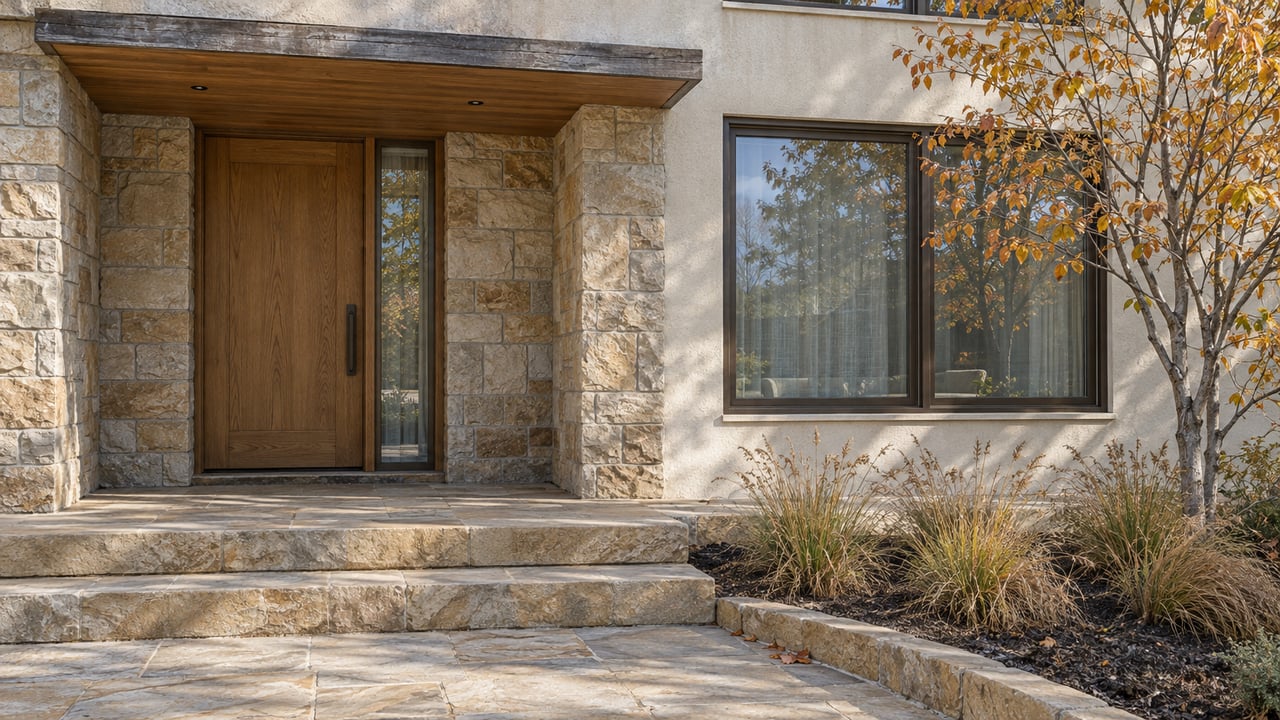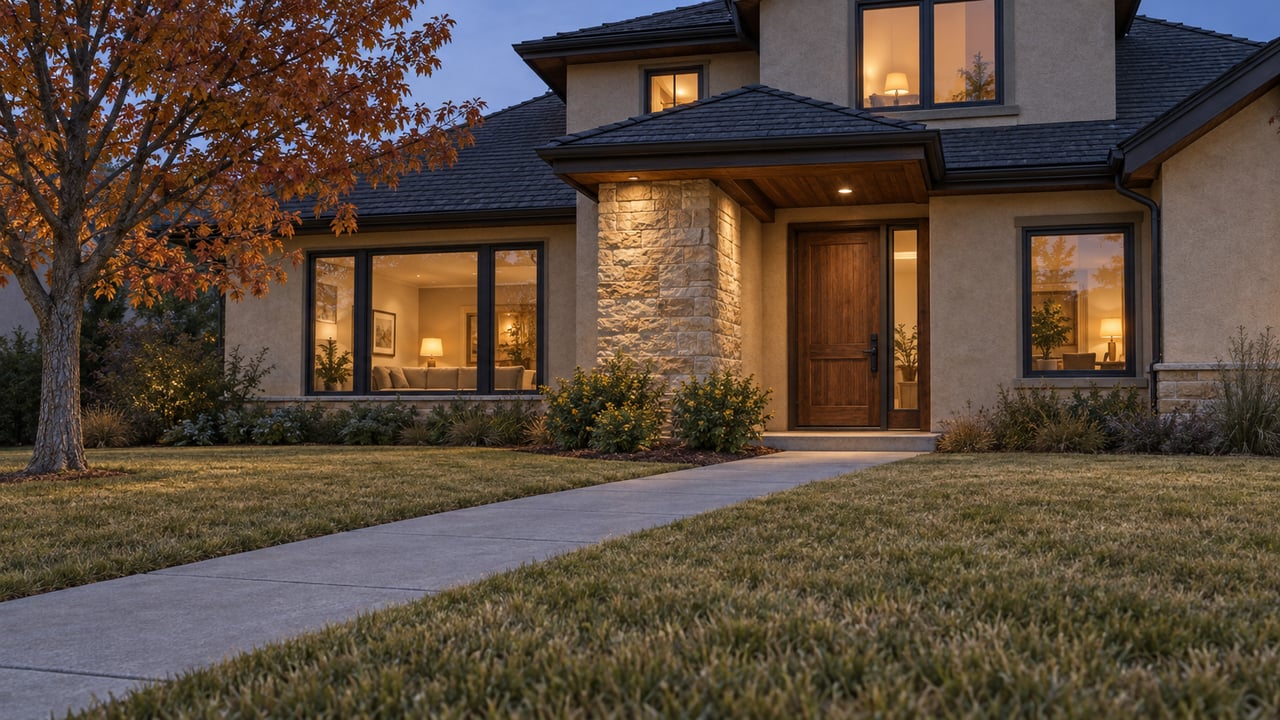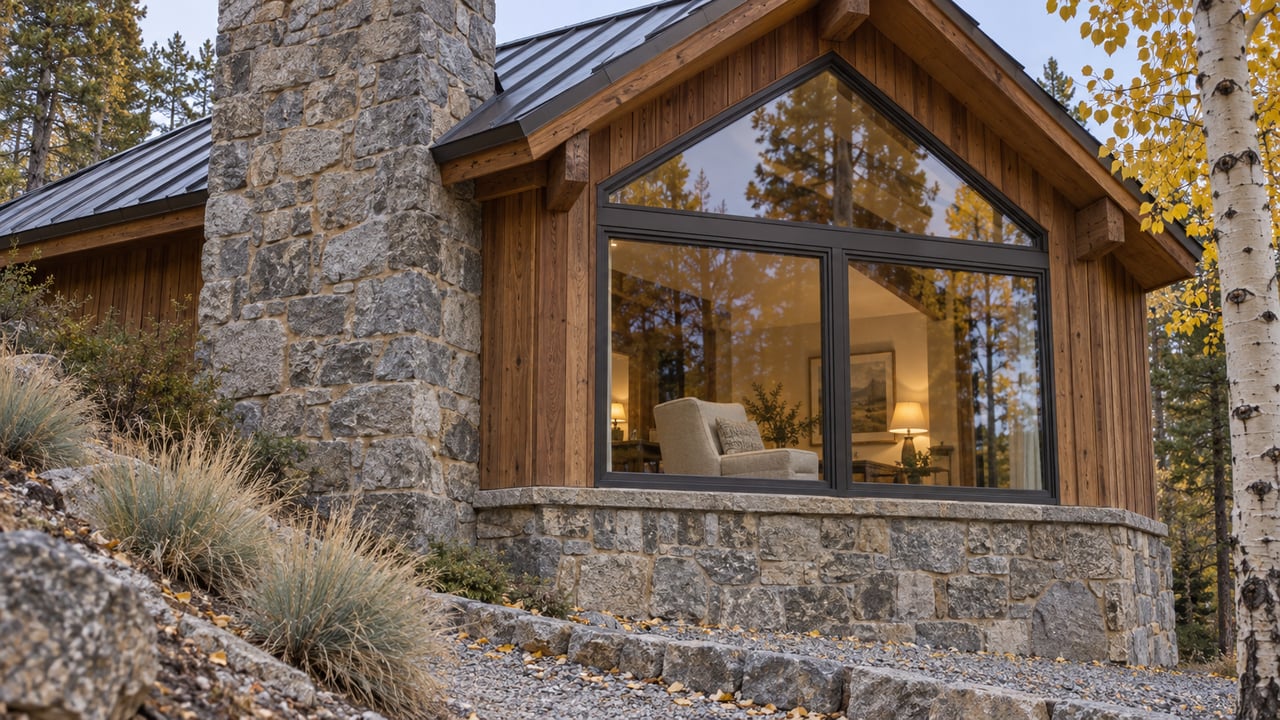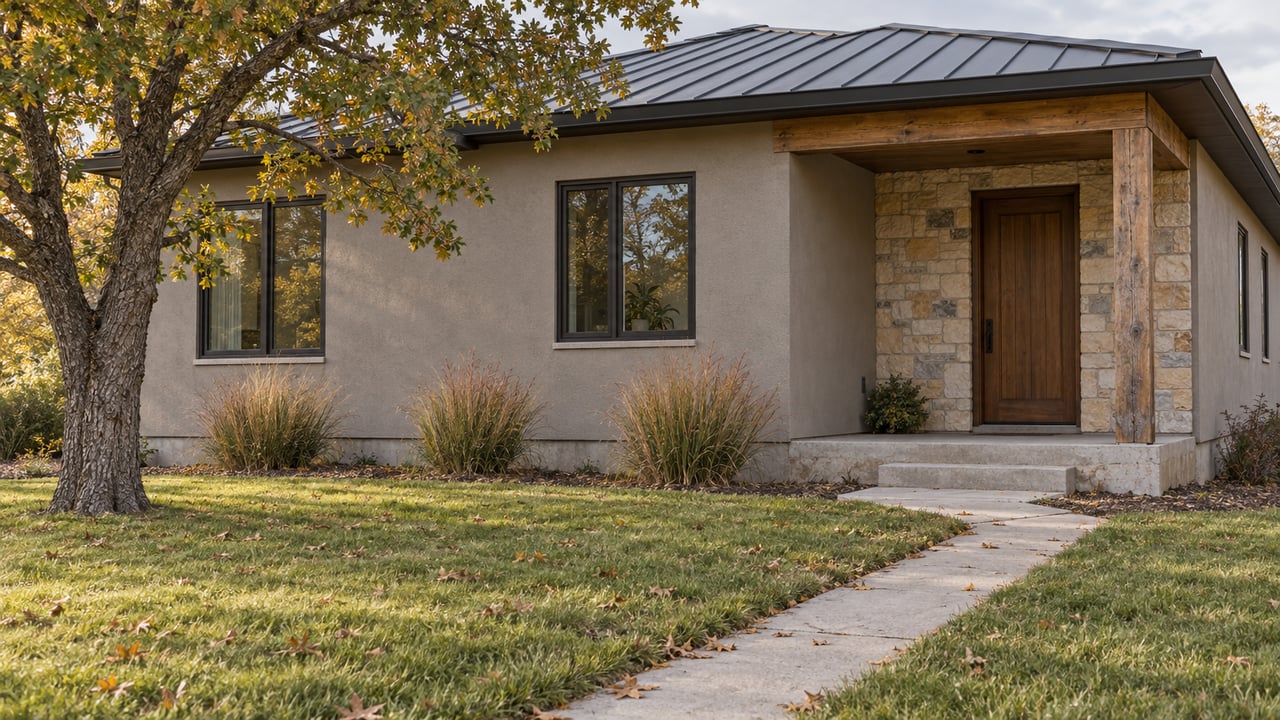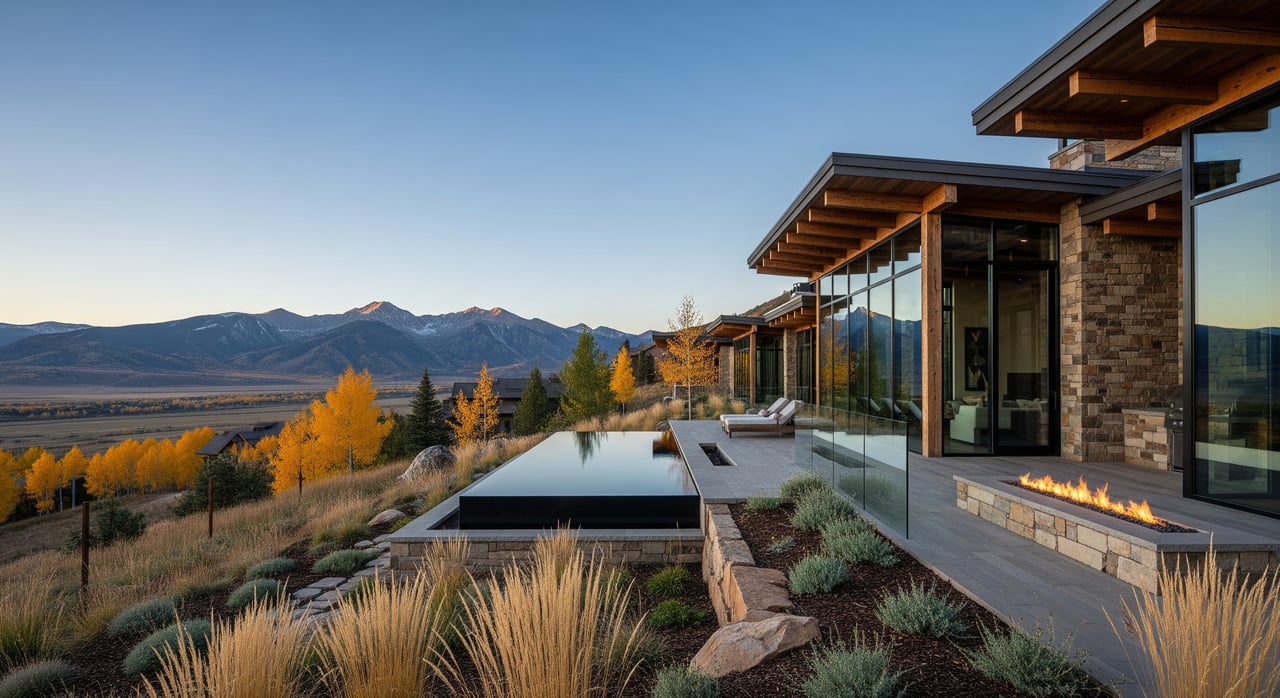
Is a mountain home calling your name, but you are unsure what living at elevation really takes? You are not alone. Buyers drawn to the scenery and privacy around 81236 often discover new considerations that do not come up in town. In this guide, you will learn the real pros and cons, the key due diligence items, and a clear checklist to help you move forward with confidence. Let’s dive in.
Why 81236 appeals
Mountain communities in 81236 offer the views and space many buyers want. You are close to sought-after recreation like the Arkansas River corridor, national forest trailheads, hot springs, and regional ski access. These locations can feel quiet and private compared with more built-up areas. If you value outdoor lifestyle and open skies, this ZIP delivers.
The tradeoff is a more self-reliant lifestyle. You will likely manage utilities differently, plan for weather, and confirm access and maintenance that city services often handle. Knowing this upfront helps you choose the right property and avoid surprises.
Key tradeoffs to weigh
Pros of mountain living
- Scenic setting, privacy, and dark skies for stargazing.
- Quick access to hiking, fishing, rafting, and winter sports in the region.
- Lower population density and less traffic on non-peak days.
- Strong appeal for lifestyle buyers and second homes can help long-term resale.
Potential downsides
- Higher maintenance, including snow removal and driveway care.
- Longer emergency response and limited municipal services in some areas.
- Insurance can cost more in wildfire-prone zones or have coverage limits.
- Utility constraints like well water, septic systems, propane, and variable broadband.
- Seasonal access issues from winter storms or spring runoff.
Understand market and financing
Seasonal market patterns
Buyer activity in 81236 often rises from late spring through fall, with winter showings shaped by weather and access. Inventory and pricing vary by season. Build flexibility into your timeline if you want the best selection and access for inspections.
Loan and insurance hurdles
Mountain properties can face stricter underwriting, especially for second homes, rural parcels, and homes with wells and septic systems. Some loan types require specific inspections or certifications. Insurance for wildfire and wind or hail can affect monthly costs, and some carriers limit coverage in higher-risk zones. Talk to a mortgage professional and insurance agent who understand Colorado mountain properties before you write an offer.
Due diligence essentials
Water and water rights
- Confirm the water source: private well, shared well, or a community system.
- For wells, request the well log, pump test, and water quality results for bacteria, nitrates, arsenic, and hardness.
- Ask about any augmentation or permit requirements tied to Colorado water law, especially if you plan future development.
Septic and wastewater
- Verify system type, age, permit status, and pumping records.
- Order a full septic inspection and confirm the leach field’s condition.
- Some lenders ask for certification of transferability. Budget for repairs if the system is older.
Access and maintenance
- Confirm legal access with a recorded easement or deeded right-of-way.
- Determine who maintains and plows the road. Is it county, private, or HOA managed?
- Test driveway grades and turning radii for emergency vehicles and delivery trucks.
Wildfire and hazards
- Review wildfire risk and defensible-space measures on the property.
- Check for flood risk from seasonal runoff or nearby stream channels.
- For steep terrain, discuss slope stability and, if building, consider geotechnical testing. In select areas, evaluate avalanche potential.
Soils and buildability
- For vacant land, request soil and perc tests for septic placement.
- Confirm setbacks, building envelopes, and any needed infrastructure like culverts or retaining walls.
- Evaluate erosion potential and rock outcroppings that could drive up costs.
Utilities and services
Electricity: confirm provider, service capacity, and proximity of transformers.
Heating: many homes use propane, wood, or oil. Ask how fuel is delivered, stored, and priced seasonally.
Broadband and cell: verify real speeds with the seller or neighbors. Coverage is variable in mountain terrain.
Trash, mail, and emergency services: understand pickup schedules, cluster mailbox locations, and typical response times.
Title, HOA, and covenants
- Obtain CC&Rs, HOA budgets, meeting minutes, and any wildfire mitigation rules.
- Clarify policies on short-term rentals, accessory structures, and exterior materials.
- Review title for easements, mineral rights, and recorded restrictions.
Daily life in 81236
Services and healthcare
In rural mountain settings, trips for groceries or urgent care can take longer. Plan pantry and medication refills, and keep a winter-ready kit in your vehicle. Build relationships with local service providers early, from propane suppliers to snow plow contractors.
Schools and busing
If schools are part of your decision, confirm which district serves your specific property and the availability of rural bus routes. Ask about enrollment timing and policies before you buy.
Recreation and traffic
Summer tourism, river events, and trailhead access can increase traffic and noise near popular areas. Factor in peak-season patterns when evaluating a home’s location and driveway access.
Work and commute
Many year-round residents commute to nearby towns in Chaffee County for work. If you are remote, test your internet connection during work hours and confirm backup options before closing.
Buyer checklist for 81236
Pre-offer checks
- Legal access, recorded easements, and winter plowing responsibility.
- HOA documents, budgets, and meeting minutes, if applicable.
- Water source, well logs, pump test, and water quality results.
- Septic permit, inspection, and pumping records.
- Hazard overlays for wildfire and flood; ask about past claims.
- Utilities: electric provider, broadband availability and speeds, heating fuel logistics.
After you go under contract
- Professional well inspection and lab water testing.
- Septic inspection and system evaluation.
- Wildfire assessment and a defensible-space plan with cost estimates.
- Survey to confirm boundaries and any building envelopes.
- Geotechnical review for steep sites or drainage concerns.
- Title commitment review for easements and mineral rights.
- Insurance quotes from carriers familiar with mountain properties.
Smart questions to ask
- Who maintains and plows the road, and how are costs allocated?
- Any well issues, water treatment systems, or low-yield periods?
- Septic repairs, backups, or permitting history?
- Past insurance claims for wildfire, wind, or flood?
- Planned road work, utility upgrades, or nearby development?
- Are short-term rentals allowed, and what registrations or limits apply?
Is a mountain home right for you?
If you love privacy, scenery, and access to year-round recreation, the 81236 area can be a great fit. Success comes from planning: confirm access, evaluate water and septic, understand hazard risks, and set accurate expectations for utilities and insurance. With the right due diligence and a clear budget, you can enjoy the lifestyle without surprises.
Ready to talk through options and timing for your search? Reach out to Juli Kovats for a personalized consultation and a data-informed plan for your next move.
FAQs
What should I know about wells when buying in 81236?
- Request the well log, pump test, and recent water quality results, and confirm any augmentation or permit requirements tied to Colorado water law.
How do septic systems affect financing for mountain homes?
- Some loans require septic inspections or certifications. Budget time and funds for potential repairs to satisfy lender conditions.
Who handles snow removal on private mountain roads?
- It varies. Confirm whether the county, an HOA, or neighbors maintain and plow, and ask how costs are shared.
How does wildfire risk change home insurance in Chaffee County?
- Premiums and coverage can vary by risk rating. Get quotes early from carriers experienced with Colorado mountain properties.
Can I count on fast internet in 81236 mountain areas?
- Coverage is location specific. Verify real speeds with the seller or neighbors and line up a backup option if you work from home.