Are you wondering what your Pinebrook Hills home is really worth right now? Pricing in Boulder’s foothills is not one-size-fits-all. Views, lot steepness, access, and recent upgrades can shift value more than you might expect. In this guide, you’ll learn how local pros determine price, which factors matter most in Pinebrook Hills, and the practical steps you can take to get a reliable number and maximize your outcome. Let’s dive in.
How pros value your home
Comparative Market Analysis (CMA)
A CMA is your best first step when you are considering a sale. A local listing agent compares recent closed sales for similar homes, then applies local insight about buyer demand, current inventory, and pricing cadence. In Pinebrook Hills, that means weighing finished square footage, lot usability, views, age, condition, and recent upgrades.
A strong CMA does more than list comps. It explains why specific sales were chosen, how differences were adjusted, and what list-to-sale price patterns suggest about your pricing strategy.
Licensed appraisal
A licensed appraisal is often required by a lender for a mortgage or refinance. Appraisers typically rely on the sales comparison approach for single-family homes, then adjust for differences such as square footage, view quality, and condition. Appraisals tend to be more conservative than an agent’s pricing guidance because they must fit lending standards.
If you need a formal opinion for estate, divorce, or tax appeal purposes, an appraisal offers documented support a lender or attorney can use.
Automated valuation models (AVMs)
Online estimates are fast, but they often miss foothills nuances. In Pinebrook Hills, AVMs can misread finished area, undervalue view premiums, or ignore lot steepness and access. Treat them as a starting reference only. Cross-check any online number against closed sales and a local CMA.
Seller net proceeds
A helpful model combines your CMA with estimated transaction costs to forecast your net. This includes commissions, closing costs, staging, repairs, and potential credits. A clear net sheet helps you compare pricing scenarios and plan your next move with confidence.
Pinebrook Hills value drivers
Location and lifestyle
Proximity to downtown Boulder, the University of Colorado, shops, and trailheads influences buyer demand. Commute routes and access to transit corridors also matter. School assignment within the Boulder Valley School District is a consideration for many buyers, though preferences vary.
Lot and topography
In the foothills, lot characteristics can be as important as the house. Usable flat area, slope, privacy, and sun exposure all affect value. Steep or heavily sloped parcels can narrow the buyer pool, while a private, usable yard typically broadens appeal.
Views and exposure
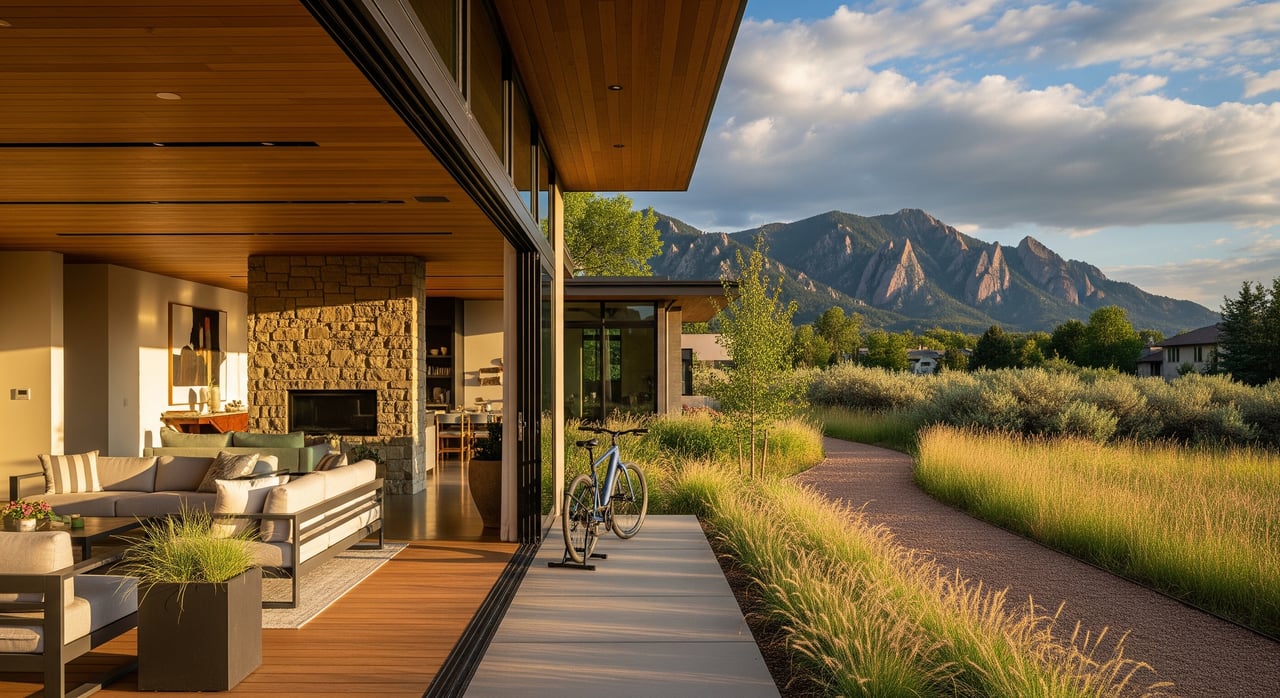
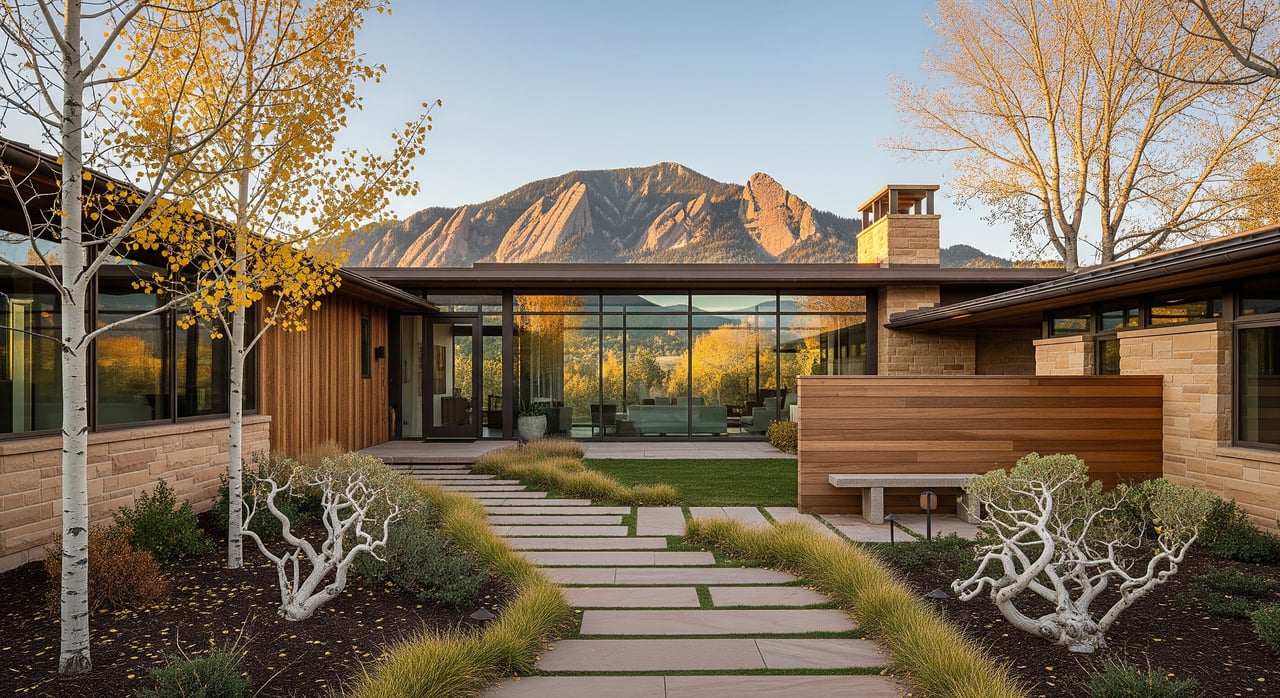
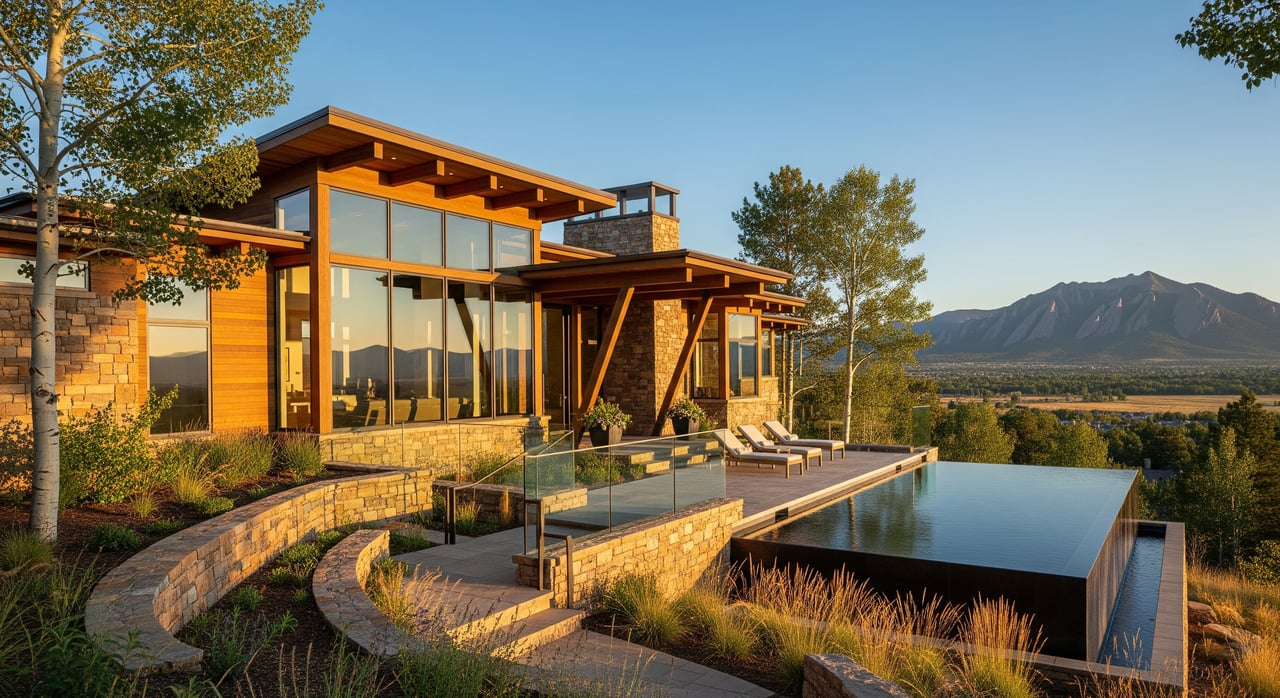
View quality is a major driver in Pinebrook Hills. Expansive Flatirons or foothill views typically command a premium compared to limited or obstructed views. Orientation and light also contribute to how buyers perceive a home’s daily livability.
Size and layout
Finished square footage, bedroom and bathroom count, and a functional layout lead to stronger offers. Finished basements and versatile outdoor living areas add value. Garages and covered parking are important in mountain-adjacent neighborhoods.
Condition and systems
Updated kitchens and primary bathrooms, along with well-maintained roofs, HVAC, windows, and sewer lines, influence both buyer confidence and appraiser adjustments. Permitted improvements and clear documentation help support value and reduce friction during inspections.
Access and parking
Year-round access, road grade, and driveway design affect day-to-day ease. Steep or narrow roads or limited parking can reduce the buyer pool. Homes with straightforward access and adequate garaging tend to attract broader interest.
Hazards and insurance
Wildfire exposure and evacuation access are top of mind in the wildland-urban interface. Defensible space and mitigation steps can matter for buyer perception and insurance availability. Floodplain status and drainage patterns should be verified early, since insurance premiums and lender requirements can impact marketability.
Zoning and expansion
Zoning, building envelopes, and potential for additions or ADUs can influence long-term value. Verify with City of Boulder or Boulder County planning whether your property is inside city limits and what the rules allow. Historic or environmental overlays may limit changes, which can affect pricing and buyer expectations.
Choose and adjust comps the right way
Where to look for comps
Start with the most similar closed sales near your home. In foothills neighborhoods, topography can change quickly, so prioritize close-in geography instead of a wide radius. When data is sparse, extend the timeframe to 6 to 12 months and note any market shifts during that period.
Match on property type, finished square footage within about 15 to 20 percent, bedroom and bathroom count, and lot characteristics. Pay special attention to view quality and lot steepness, since these often drive the largest adjustments in Pinebrook Hills.
How to adjust differences
Adjust for square footage using local price-per-foot ranges observed in recent sales, not national averages. Consider renovation quality and recency, especially in kitchens, baths, flooring, and windows. Account for finished versus unfinished basement space, garage and parking differences, and permitted ADUs or extra units. If the market has moved, apply time adjustments that reflect recent local trends.
Document your reasoning. Clear notes help you defend pricing and align everyone’s expectations before going to market.
Avoid common AVM pitfalls
Do not rely on an AVM to capture view premiums or to interpret complex lots. Confirm finished area in county records and floor plans. Cross-check any automated number with MLS-verified sales and a local CMA before making decisions.
Steps to get an accurate price
Gather key documents
- Deed, plat or survey, and legal description.
- Recent property tax statements and assessor data.
- Permits and final certificates for remodels and additions.
- Utility bills, solar lease or purchase documents, and energy upgrade records.
- HOA documents, if applicable, including CC&Rs and budgets.
- Warranties, contractor invoices, inspection reports, and septic or sewer records.
Prepare cost-effective improvements
- Cosmetic refresh: declutter, deep clean, neutral paint, and light landscaping for curb appeal.
- Targeted kitchen and bath updates: hardware, lighting, and surfaces that show well in photos.
- Systems and safety: ensure roof, HVAC, electrical, and plumbing are in good working order, and organize service records.
- Permits: confirm visible work is permitted. If unpermitted items exist, consult an inspector or contractor on remedies.
Bring in the right pros
- Experienced Boulder-area listing agent to build a neighborhood-specific CMA and pricing plan.
- Professional photographer and floor plan provider to highlight views, outdoor spaces, and livability.
- Appraiser for a formal, lender-grade opinion when needed for financing or legal matters.
- Pre-listing home inspector to surface issues early and reduce surprises after you go under contract.
Price and timing strategy
Consider seasonality, since spring and early summer often see higher buyer activity in Boulder. In a tight market, a slightly assertive price can attract attention when supported by clear comps. In a slower market, price competitively and budget for more days on market.
Disclosures and negotiation
Transparent disclosures build trust and can prevent post-contract disputes. Be direct about known defects, wildfire mitigation status, and any insurance factors. Solid documentation and a data-backed CMA strengthen your position during negotiations and appraisal.
Local resources and next steps
- Boulder County Assessor and GIS parcel viewer for lot size, tax history, and parcel details.
- City of Boulder Planning and Development or Boulder County Planning for zoning, setbacks, and permitted uses.
- Boulder Valley School District for school assignment information.
- Colorado State Forest Service and Boulder County wildfire mitigation resources for hazard guidance and defensible-space practices.
- FEMA Flood Map Service Center for floodplain status and requirements.
- Local MLS, accessed through a licensed agent, for the most accurate closed sales and days-on-market data.
- Appraisal Institute and National Association of Realtors for valuation methodology best practices.
Ready to understand your number and craft a strategy that fits the market? Start with a private CMA tailored to your lot, view, and condition, then align your timing, prep, and marketing to meet your goals. If you would like a data-first, foothills-savvy perspective, connect with Juli Kovats for a complimentary market consultation.
FAQs
How is a Pinebrook Hills CMA different from city neighborhoods?
- It weighs view quality, lot steepness, access, and usable outdoor space more heavily than a typical in-town analysis, and it prioritizes very close-in sales due to varied topography.
How do views influence appraisals in Pinebrook Hills?
- Appraisers adjust for view quality by comparing to recent sales with similar views and then making dollar adjustments when views are limited, partial, or expansive.
What timeframe should I use for comps in a changing market?
- Start with the most recent 3 to 6 months and extend to 12 months if data is sparse, then apply time adjustments that reflect recent local trends.
How do wildfire and insurance affect value in the foothills?
- Wildfire exposure and insurance availability can influence both buyer confidence and net offers, so verify mitigation steps and insurance early in the process.
Should I get an appraisal before listing my Pinebrook Hills home?
- You usually begin with a CMA to set strategy, and you order a licensed appraisal when a lender or legal matter requires a formal opinion of value.
What documents should I bring to a valuation meeting?
- Bring your deed or survey, tax statements, permits, utility and system records, HOA documents if applicable, and any warranties or inspection reports.