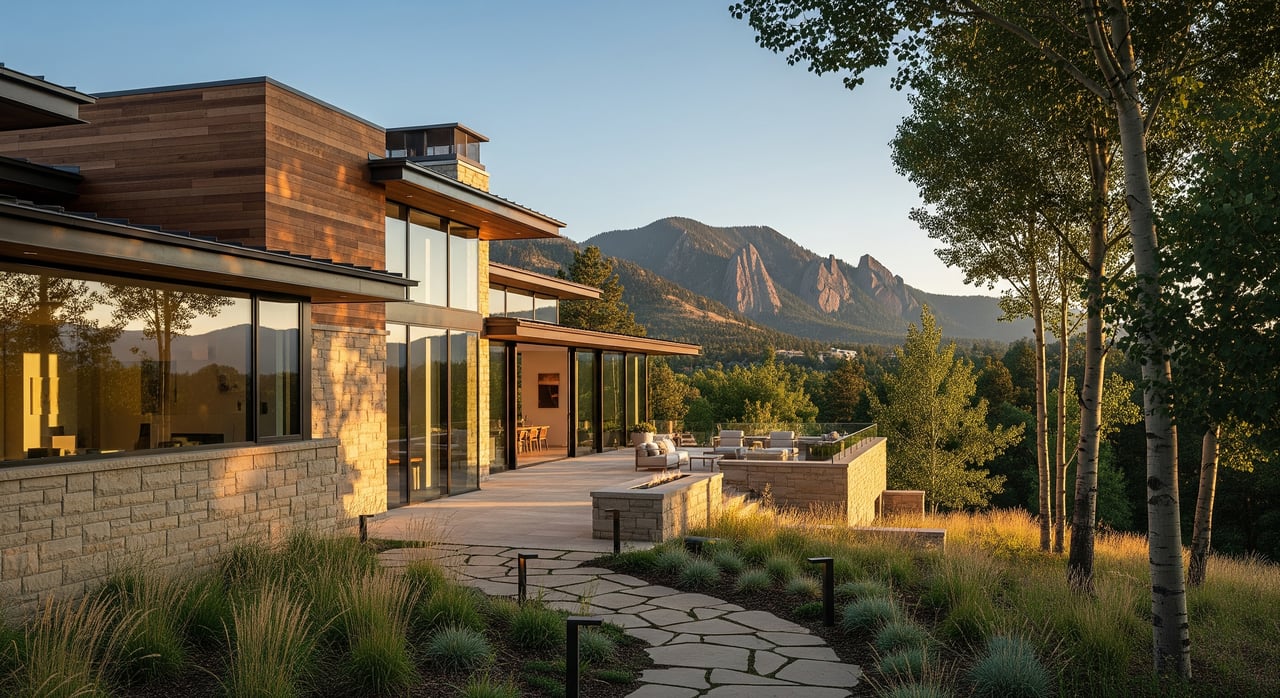
Thinking about buying in North Boulder but not sure how the market actually works on the ground? You are not alone. Between foothill views, tight inventory, and nuanced city rules, it can be hard to read the signals. In this guide, you will learn what to watch in the data, how the neighborhoods differ, and the practical steps that help you write a strong, confident offer. Let’s dive in.
North Boulder at a glance
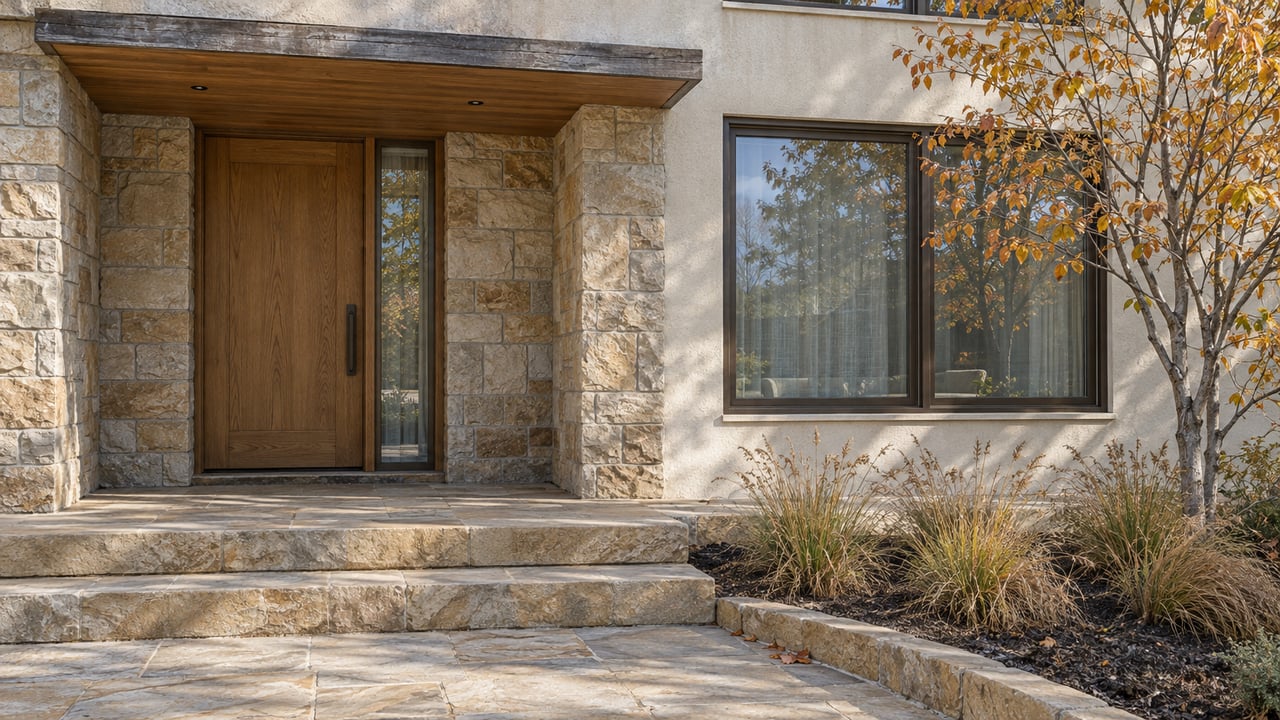
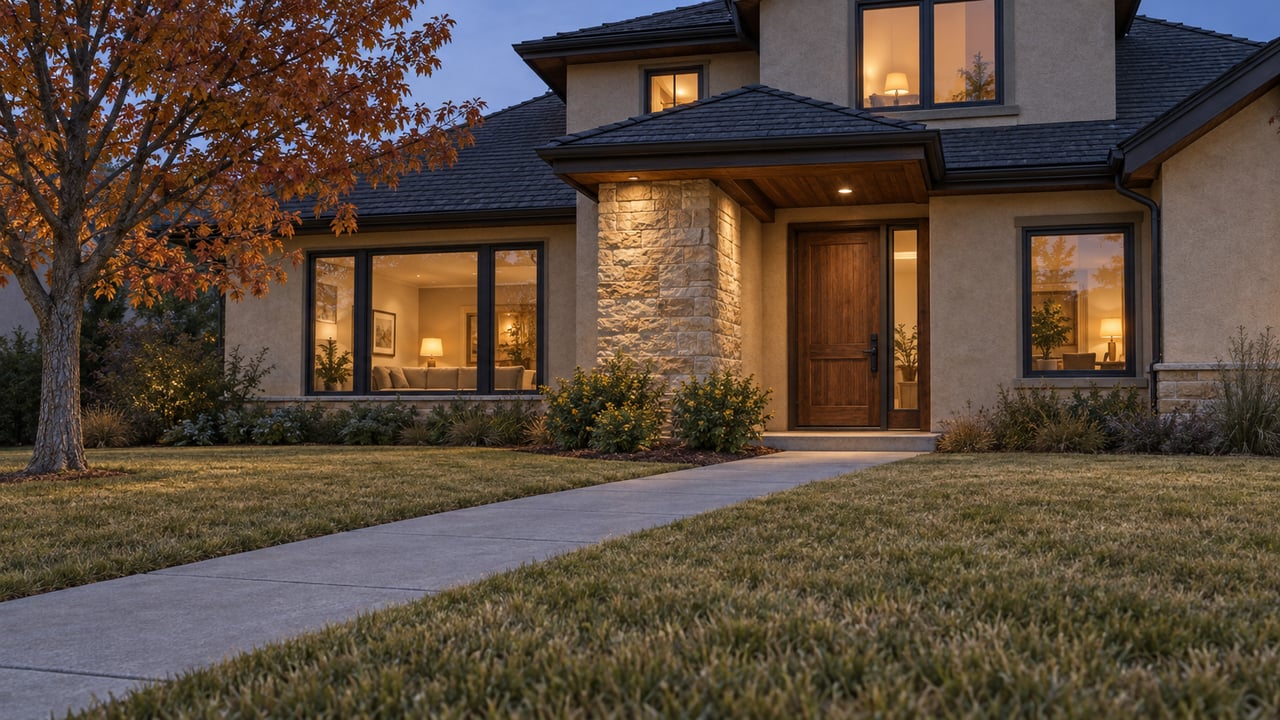
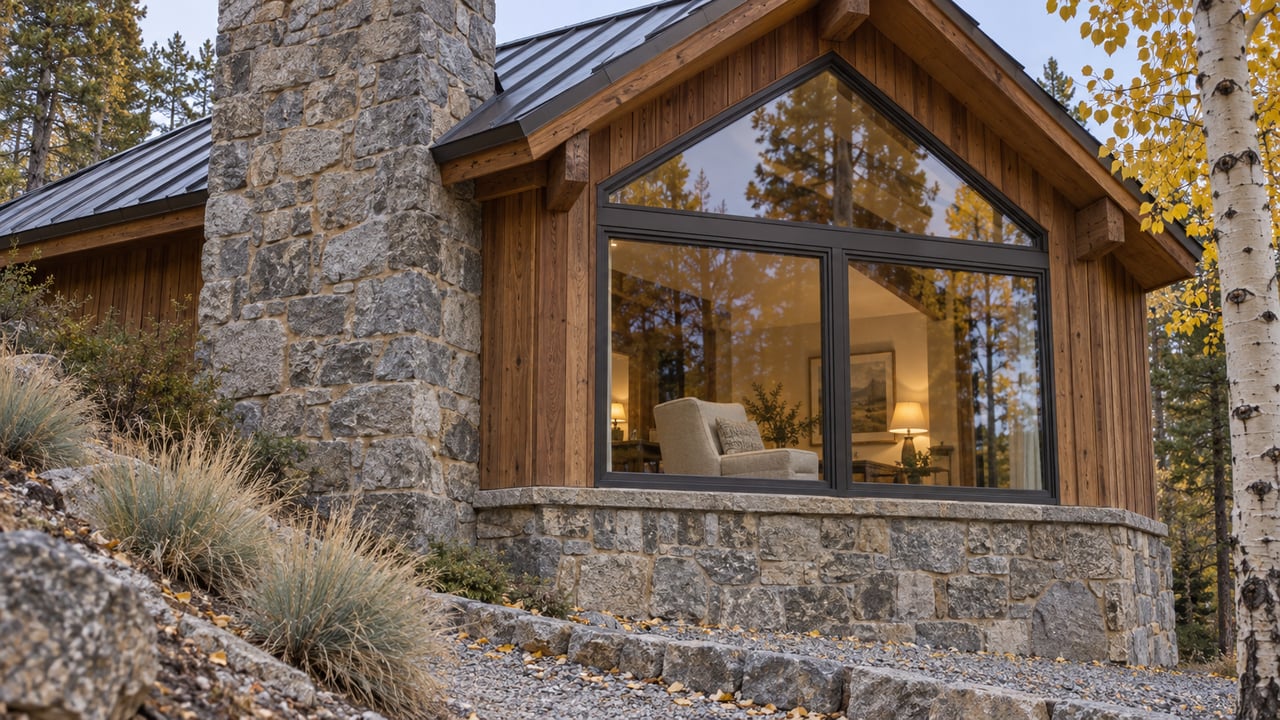
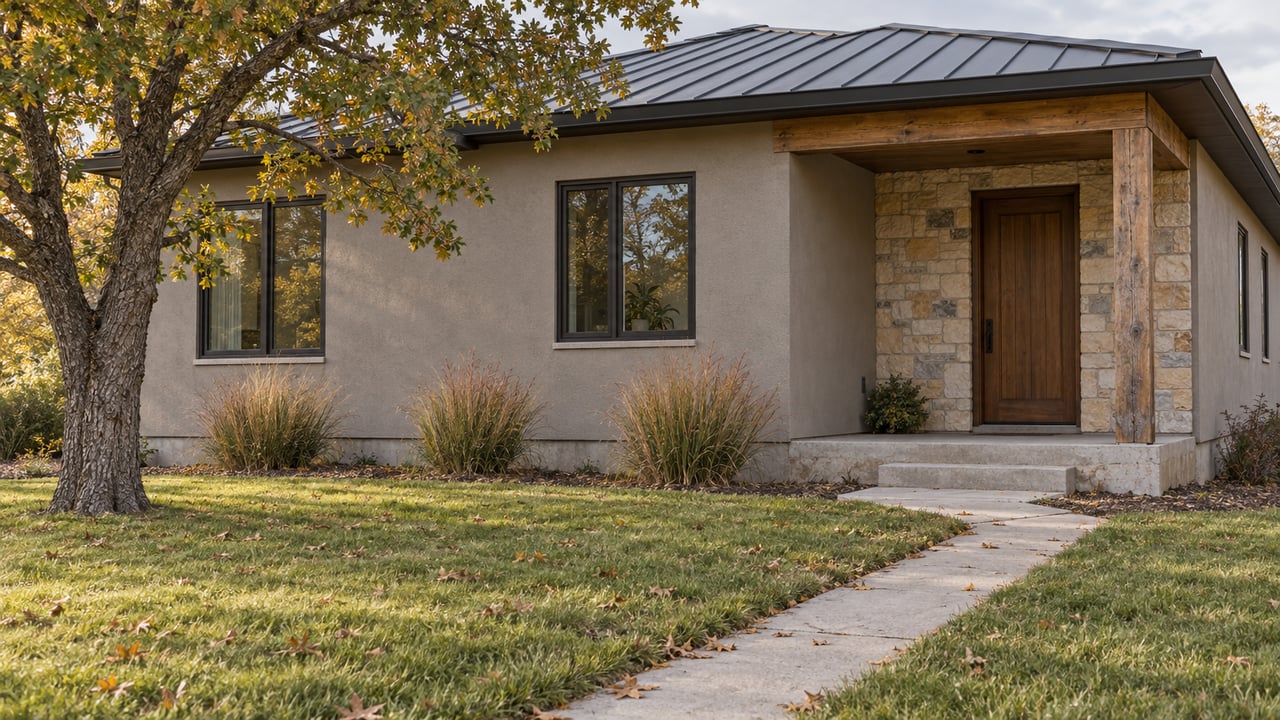
North Boulder stretches from just north of downtown toward the foothills, where trail access and open space shape daily life. You will find a mix of established single-family homes, older ranch and bungalow styles, and pockets of condos and townhomes. Large, master-planned subdivisions are limited because of terrain and zoning, so supply stays relatively tight.
Properties closer to the foothills often command premiums for privacy and views. Closer to key corridors, you will see attached homes and smaller lots that trade a bit of space for convenience. Many homes are older, which means you will find everything from well-maintained originals to fully remodeled residences and thoughtful infill.
Current market signals that matter
When you look past headlines, a few metrics tell the real story. Months of supply shows whether sellers or buyers have the upper hand. Average days on market reveals how quickly homes move, and the sale-to-list price ratio shows how often buyers pay above asking.
You should evaluate trends over 3, 6, and 12 months rather than a single snapshot. In Boulder, spring and summer tend to see more listings and faster paces, while late fall and winter soften slightly. Watch how price per square foot moves alongside days on market to gauge momentum.
What to watch each month
- Median sale price by property type, plus price per square foot.
- Active listings, new listings, pendings, and solds.
- Months of supply for single-family versus condos and townhomes.
- Average days on market and share of sales above asking.
- Sale-to-list price ratio and the frequency of cash purchases.
Home types and micro-areas
You will see locals refer to the broader area as “NoBo,” with smaller pockets defined by streets, parks, and trailheads. Near the foothills and open space, lots are often larger and more private. Closer to primary corridors, you will find attached homes and smaller single-family properties that offer walkable access to shops and services.
Older housing stock means renovation potential is a recurring theme. For many buyers, a home with solid bones and room to update is a smart path to long-term value. If lower maintenance is a priority, condos and townhomes can deliver convenience with HOA-managed exteriors and common areas.
Commute, access, and amenities
North Boulder offers quick access to downtown, the university, and employment hubs, with regional connections via US-36 to Denver. Transit options and bike infrastructure give you alternatives to driving, which many buyers appreciate for daily routines. Grocery, cafes, parks, and trailheads are scattered across the area, keeping most essentials within a short trip.
If you commute, note travel patterns at different times of day. If you value quiet and trail proximity, tour during early mornings and evenings to get a true sense of activity and light.
Risks and due diligence in the foothills
Foothill proximity is a lifestyle advantage, but it brings risk factors you should check early. Wildfire risk varies by micro-location, and defensible-space expectations may apply. Flood risk exists near creeks and low-lying areas, and Boulder’s 2013 flood is a reminder to verify maps, insurance options, and drainage.
Colorado has elevated radon potential, so a radon test is standard during inspections. Hillside and sloped sites sometimes require geotechnical review to evaluate soil, slope stability, and foundation design. If a property lies on the fringe of municipal service areas, confirm water and sewer or plan for well and septic inspections.
Zoning, ADUs, and rental rules
City zoning rules shape what you can build or add, including lot coverage, height, and setbacks. Boulder has updated accessory dwelling unit policies in recent years, with specific permitting and operational requirements that vary by zone. Short-term rentals require licensing and have occupancy limits, and not every property or zone qualifies.
If you plan to add an ADU, rent a portion of the home, or remodel, review the property’s zoning, any overlay districts, and permitting steps before you go under contract. For attached homes, read the HOA documents for rental policies, pet rules, and architectural guidelines.
Financing and affordability paths
Price points in North Boulder often push buyers into jumbo financing for single-family homes. That means stronger credit standards, larger down payments, and careful attention to debt-to-income ratios. A current, fully underwritten pre-approval puts you in the best position to compete.
If you are a first-time buyer or need help with upfront costs, explore assistance options. The Colorado Housing and Finance Authority offers down payment and favorable-rate programs for eligible buyers. Boulder County and the City of Boulder also run programs that support down payment or closing costs and manage inclusionary housing options, subject to eligibility and funding. Some employers and local institutions offer assistance, so check with your HR team as well.
Document your assets and income early, prepare proof of funds for any cash portion, and discuss rate-lock strategies with a local lender who understands Boulder’s market.
Making a winning offer
In competitive moments, preparation wins. A complete, current pre-approval, clear earnest money plan, and realistic closing timeline set a strong baseline. From there, you and your agent can decide how to balance speed with protection.
You may consider a brief inspection period rather than waiving inspections. That keeps key protections while signaling seriousness. If pricing pressure pushes above recent comparable sales, discuss appraisal gap coverage with your lender so you understand cash needs and risk.
Escalation clauses can be useful, but they should be used carefully and with clarity on caps and terms. Keep communication clean, timelines tight, and contingencies precise to reduce friction for the seller without exposing yourself to unnecessary risk.
Inspection priorities in Boulder homes
Older homes are common in North Boulder, so focus inspections on items that age or that the foothill setting can stress. Standard scope should include structure and foundation, roof, HVAC, electrical, and plumbing. Add a radon test and sewer scope.
On sloped or hillside lots, watch for drainage patterns and hydrostatic pressure around foundations. In winter, roof design and insulation affect ice dams and snow shedding. If well and septic systems serve the property, schedule specialized inspections and confirm transfer requirements.
What to budget beyond the price
Property taxes in Colorado are based on assessed values and local mill levies, so review the most recent assessment and the mill rate for the property. Some addresses lie within special districts that add fees for fire protection or infrastructure. If you buy into an HOA, review budgets, reserves, and recent special assessments so you understand true monthly costs.
Insurance should match site conditions. For foothill-edge homes, review wildfire coverage and mitigation expectations. In flood-prone zones, check flood insurance options and premiums. If you plan energy upgrades or solar, add those to your long-term budget and verify any HOA or permitting requirements.
How to shop smart in North Boulder
Start with a short list of must-haves and nice-to-haves, then preview recent sales to calibrate expectations. Tour multiple micro-areas at different times of day so you can compare light, noise, and access. If renovation is part of your plan, obtain contractor input early to estimate costs and timelines.
A data-informed search gives you confidence. Track monthly trends and drill down by property type so you are ready to move when the right home appears. A clear offer plan and a responsive team keep you one step ahead when competition heats up.
Your next step
If North Boulder matches your lifestyle, the right approach blends market data with neighborhood feel. You will make your best decision when you see the numbers, walk the blocks, and understand the trade-offs by property type and location. A calm, prepared process helps you focus on the home, not just the hunt.
FAQs
Is North Boulder a seller’s or buyer’s market right now?
- Check months of supply, days on market, and the sale-to-list price ratio across the last 3 to 12 months to judge leverage and trend direction.
What price range should I expect to see?
- Prices vary by property type and proximity to the foothills, so compare median prices and price per square foot for single-family homes versus condos and townhomes.
How competitive are offers in North Boulder?
- Watch the share of homes selling above asking, prepare a full pre-approval, and use tight timelines and focused contingencies to stay competitive without overexposing risk.
Are there wildfire or flood risks in North Boulder?
- Yes, risk varies by micro-location near the foothills and creeks, so review hazard maps, consult insurers early, and include inspections that assess drainage and mitigation needs.
Can I rent out my North Boulder property short term?
- Boulder regulates short-term rentals with licensing, zone limits, and occupancy rules, so verify current requirements for the specific property and any HOA restrictions.
Can I add an ADU to a North Boulder home?
- ADU rules exist and vary by zoning and lot specifics, so confirm eligibility, owner-occupancy requirements, and permitting steps before finalizing your purchase.
Which school district serves North Boulder addresses?
- Most addresses fall within the Boulder Valley School District, but you should confirm school boundaries for each specific property and any choice policies that may apply.
Ready to explore homes and make a plan that fits both your lifestyle and your numbers? Start the conversation and schedule your free market consultation with Juli Kovats.